A complete guide to choosing the right ink cartridges
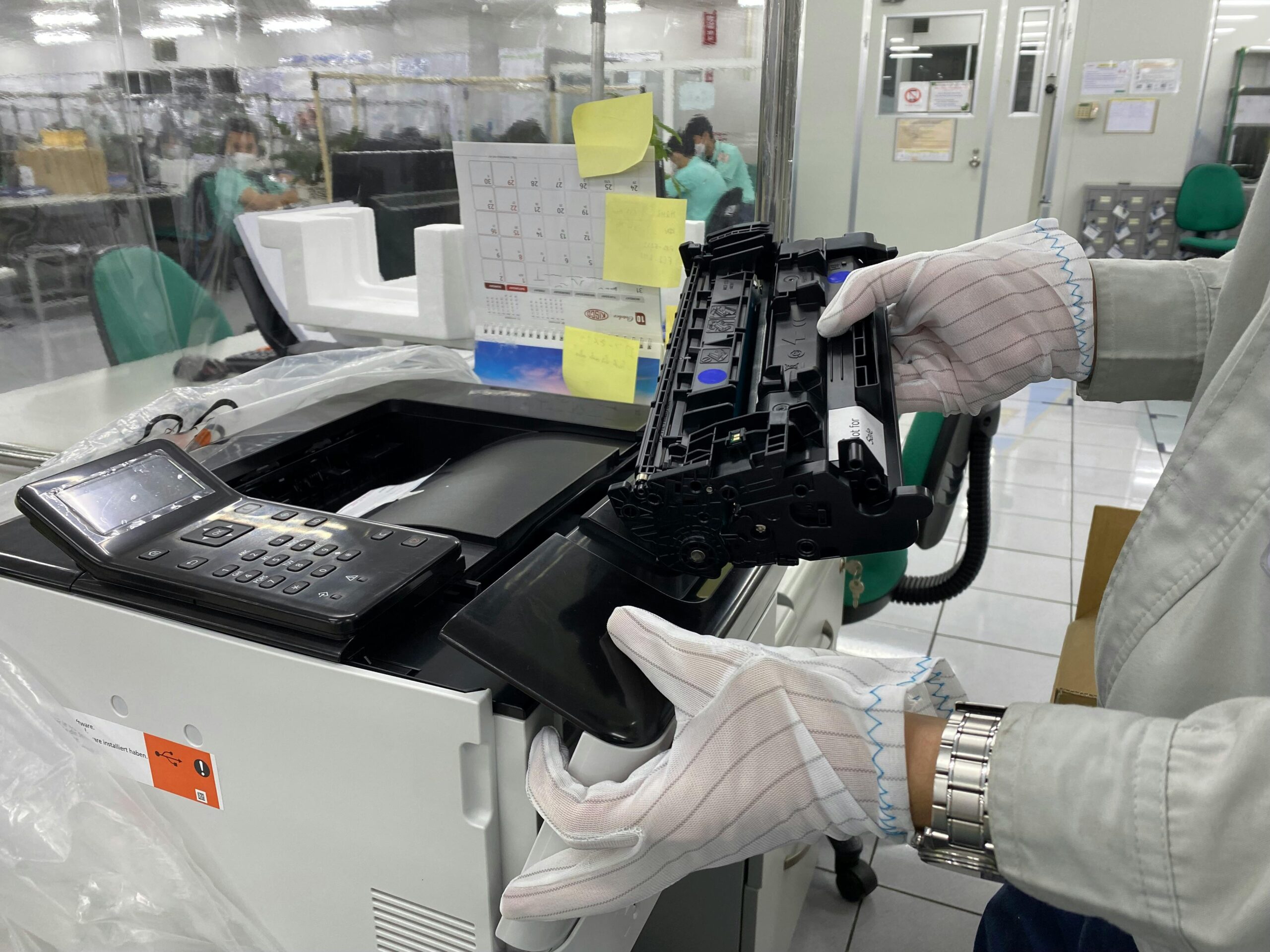

A complete guide to choosing the right ink cartridges
Finding the right ink for your printer can be surprisingly complex. With countless models, brands and price ranges, it’s easy to make the wrong choice and end up with poor-quality prints or unexpected costs. Understanding your printer’s requirements and the differences between cartridge types will save you money, improve print results and reduce frustration. In this guide, you’ll discover everything you need to make an informed decision, from quality considerations to cost-saving strategies and sustainable options.
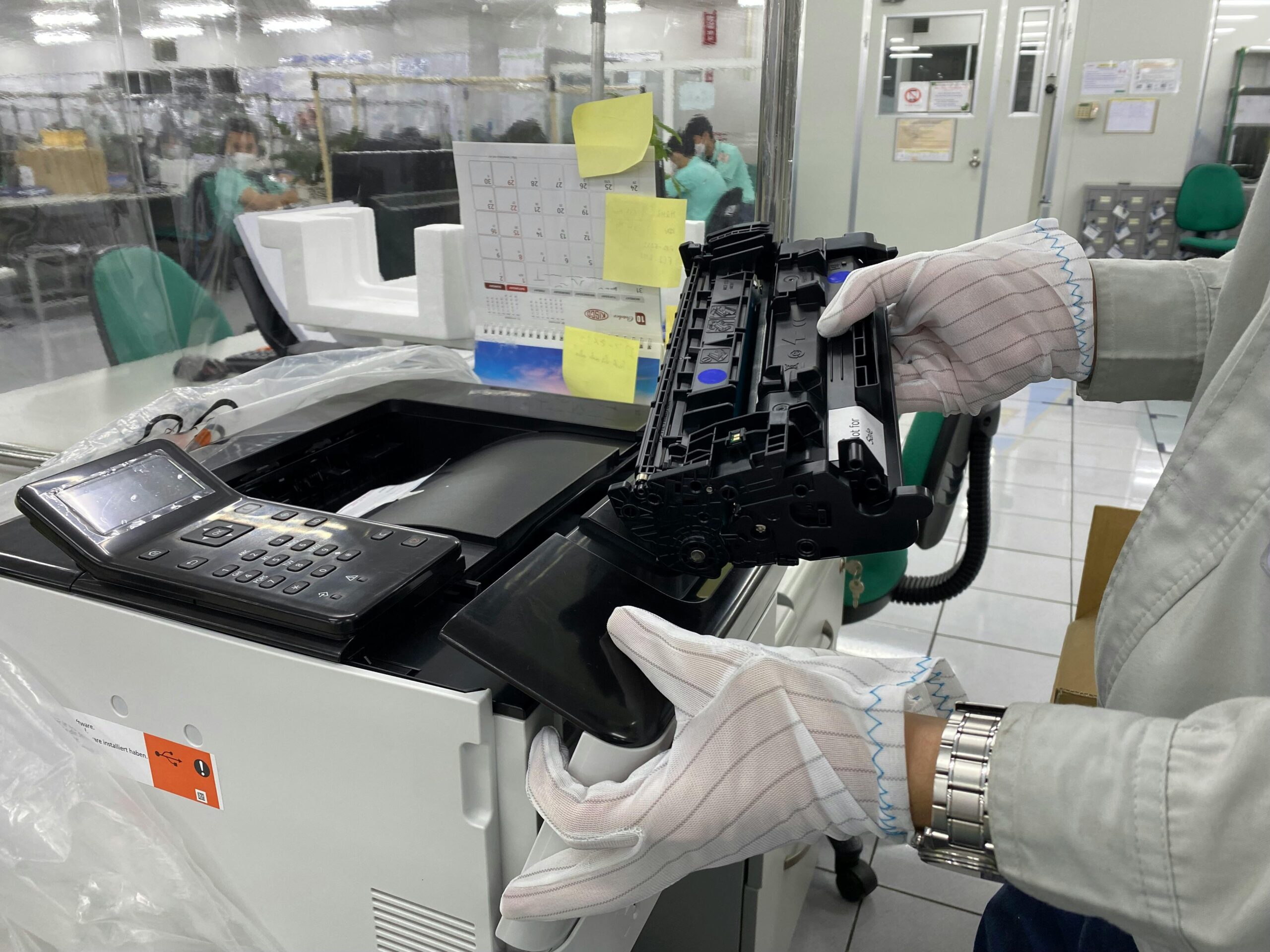
Why your cartridge choice impacts printing quality
The cartridge you use directly influences the sharpness of text, the accuracy of colours and the number of pages you can print. Low-grade products can lead to smudging, streaking or fading and may even clog the printer’s nozzles, causing costly damage over time. By choosing premium ink cartridges, you can count on consistent output, a longer printer lifespan and better efficiency with each page. High-quality cartridges also tend to waste less ink, which makes them a more economical option in the long run.
Poor-quality ink can also have subtler effects. Colours may shift slightly over time, making brand materials or photo prints look inconsistent. Text may lose crispness after only a few weeks on paper. For businesses that rely on printed marketing materials, these small degradations can harm their professional image. For personal use, especially in photography or creative projects, the wrong cartridge can mean the difference between a vibrant, lasting print and a faded copy.
Understanding the difference between original and compatible
Original equipment manufacturer cartridges are designed by the same company that made your printer. They are built to work seamlessly with your specific model, delivering reliable performance and excellent print quality. However, they are often more expensive than alternatives. For people who print occasionally and want guaranteed quality, OEM cartridges can be a safe and convenient choice.
Compatible cartridges are produced by third-party manufacturers but made to fit the same printer models. They can offer similar quality at a fraction of the cost, provided they come from a reputable supplier that adheres to recognised quality standards such as ISO printing certifications. Good compatible cartridges undergo rigorous testing for colour accuracy, page yield and reliability.
A common misconception is that compatible cartridges will always void your printer’s warranty. In most regions, as long as the cartridge meets manufacturer specifications, using them does not automatically affect your warranty rights. This makes them a viable option for budget-conscious users, especially in offices that go through large quantities of ink.

Strategies for reducing costs without losing quality
Printing can become expensive, especially in busy offices or households with frequent use. You can control these costs without sacrificing quality by buying cartridges in multipacks, which often reduce the price per unit, and by taking advantage of loyalty programmes offered by major suppliers. Switching to compatible cartridges from trusted sources can lead to significant savings while maintaining print quality.
Another cost-saving approach is to purchase high-yield cartridges, sometimes called XL or extended-yield models. These cartridges cost more upfront but can print two to three times as many pages as standard versions. If you print regularly, the cost per page drops significantly over time.
For users who do a lot of draft printing, adjusting printer settings to use less ink per page is another effective way to stretch your supply. Reducing print resolution for non-essential documents can save considerable ink over the course of months.

Common mistakes when buying ink cartridges
Many printing problems start with cartridge selection errors. One of the most common is buying a cartridge based solely on price without checking compatibility with your printer model. Even cartridges that look identical may have different chip programming or ink formulations.
Another frequent issue is purchasing in bulk without checking expiry dates. Ink can dry out or separate over time, especially if stored in hot or humid conditions. Always check the packaging for storage guidelines.
Finally, ignoring page yield ratings can lead to unexpected costs. Two cartridges with the same price may offer vastly different yields, meaning one could be significantly more cost-effective in the long run.
Sustainable options for everyday printing
Environmental considerations are now an important factor in printing. Recycled cartridges are cleaned, refilled and tested to ensure they meet quality standards, making them a responsible alternative to single-use products. Refill kits allow you to top up existing cartridges at home, reducing waste even further. Some newer products use biodegradable materials, which makes disposal safer for the environment. Looking for certifications such as EcoLabel or Energy Star is a simple way to ensure your purchase supports sustainability goals.
Some manufacturers also offer take-back programmes, allowing you to send used cartridges back for proper recycling. This ensures that valuable materials are reused and that any residual ink is disposed of safely, reducing pollution.
How smart technology improves cartridge performance
Modern cartridges often contain small chips that track ink levels in real time, send low-ink alerts and adjust ink flow according to the type of document being printed. Some systems connect to apps that can automate reordering when supplies are low, preventing unexpected interruptions. These features can be especially valuable for offices or schools with high print volumes, where downtime is costly.
Another advantage of smart technology is improved colour management. Some printers can calibrate output based on cartridge data, adjusting colour profiles to ensure consistent results across multiple print jobs. This is particularly useful in design and photography, where precise colour reproduction is essential.
Benefits of buying cartridges online
Online shopping offers a broader range of brands and prices than most physical stores. Retailers like Staples and Office Depot often provide bulk purchase discounts, while marketplaces such as Amazon give you access to multiple sellers with verified customer reviews. When shopping online, always check seller ratings, read detailed product descriptions and look for warranty information to avoid counterfeit or substandard products.
In addition to better prices, online shopping often makes it easier to find niche cartridges for older or specialised printer models. Many local stores no longer stock these, but specialist online retailers can ship them directly to your door.
Matching your cartridge to your needs
Before purchasing, confirm that the cartridge is compatible with your printer model and has the right page yield for your workload. High-yield cartridges can be more cost-effective if you print large volumes regularly, while standard cartridges may be enough for occasional users. The type of documents you print should also guide your decision, colour-intensive work like marketing materials or photographs requires more accurate colour reproduction than basic text documents.
Professionals working in design, photography or marketing should also consider pigment-based inks for sharper detail and longer-lasting prints. While dye-based inks are often more vibrant initially, they can fade faster over time, especially in direct sunlight.
Extending the life of your ink supply
Small adjustments to your printing habits can help you get more from each cartridge. Using eco mode for internal documents reduces ink consumption without noticeably affecting readability. Duplex printing not only cuts paper costs but also minimises ink use. Adjusting printer settings to match your specific job can prevent unnecessary ink waste, while performing maintenance cycles only when needed avoids overuse of cleaning functions that consume ink unnecessarily.
Keeping your printer in good condition also plays a role. Dust and dried ink can accumulate inside the machine, causing it to use more ink for cleaning cycles. Regularly cleaning the printer’s interior according to the manufacturer’s instructions helps maintain efficiency.

Troubleshooting common cartridge problems
Cartridge issues can be frustrating, but most have straightforward solutions. Blurry or streaky prints often indicate that the cartridge is running low or that the nozzles are clogged; replacing the cartridge or running a cleaning cycle usually resolves the problem. If your printer fails to recognise a cartridge, it may be due to dirt on the contact points or outdated firmware, both of which can be addressed by gentle cleaning and software updates. Leaking cartridges should be removed immediately to prevent damage and replaced with a new unit from a reliable supplier.
Choosing better for long-term results
Selecting the right ink cartridge is about more than just making your printer work — it’s about getting the best quality, value and sustainability from every page you print. Whether you prefer the guaranteed performance of OEM products or the affordability of compatible alternatives, the key is to buy from reputable sources, understand your usage needs and consider the environmental impact of your choices. By doing so, you can print with confidence, knowing you’re getting consistent quality while controlling costs and waste.
Frequently asked questions
How do I know which cartridge fits my printer?
Check your printer’s manual or the manufacturer’s website for a list of compatible cartridges.
Are compatible cartridges as good as originals?
Yes, if purchased from reputable suppliers that meet strict quality standards.
Can storing spare cartridges affect their performance?
Yes, store them in a cool, dry place and keep them sealed until use to maintain quality.
What’s the most eco-friendly way to dispose of cartridges?
Many retailers and manufacturers offer free recycling programmes to ensure proper disposal.