If the neighbourhood watch is being misused – how to deal with it

If the neighbourhood watch is being misused – how to deal with it
Neighbourhood watch schemes are built on trust, cooperation, and the shared goal of keeping communities safe. When they work well, they can deter crime and strengthen local bonds. But what happens if the system is misused – if someone becomes overly intrusive, shares private information, or uses the group for purposes it wasn’t meant for? Here’s how to handle the situation with care and respect.
When good intentions go too far
Most people join a neighbourhood watch with the best of intentions. However, enthusiasm can sometimes cross a line. Perhaps a neighbour is constantly monitoring who comes and goes, or posting photos of strangers on social media. This kind of behaviour can create discomfort and suspicion – the opposite of what a neighbourhood watch should promote.
It’s important to remember that neighbourhood watch is about awareness, not surveillance. If you notice someone going too far, it’s best to address it early before it turns into a conflict.
Talk openly and calmly
The first step is to have a direct but friendly conversation. Many people don’t realise that their actions feel intrusive to others. Explain how you experience the situation and why it makes you uncomfortable. Use specific examples, but avoid sounding accusatory.
You might say something like:
“I really appreciate that you’re keeping an eye on the area, but I feel uneasy when photos of people walking by are shared online. Maybe we can find another way to stay alert?”
Often, an honest conversation is enough to create understanding and change behaviour.
Know the rules on privacy and surveillance
Neighbourhood watch does not give anyone the right to break privacy laws. In Ireland, there are clear rules about what you can and cannot do:
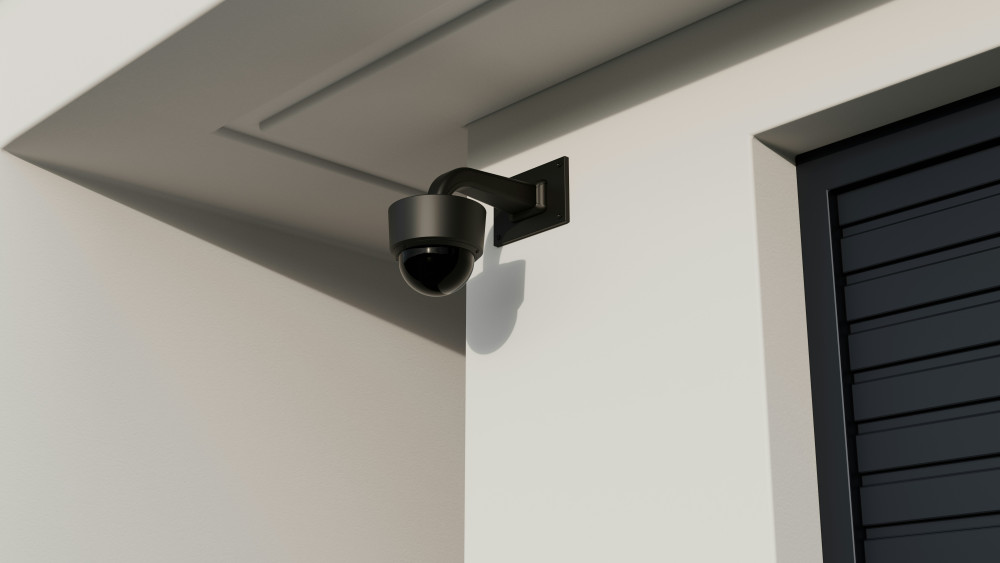
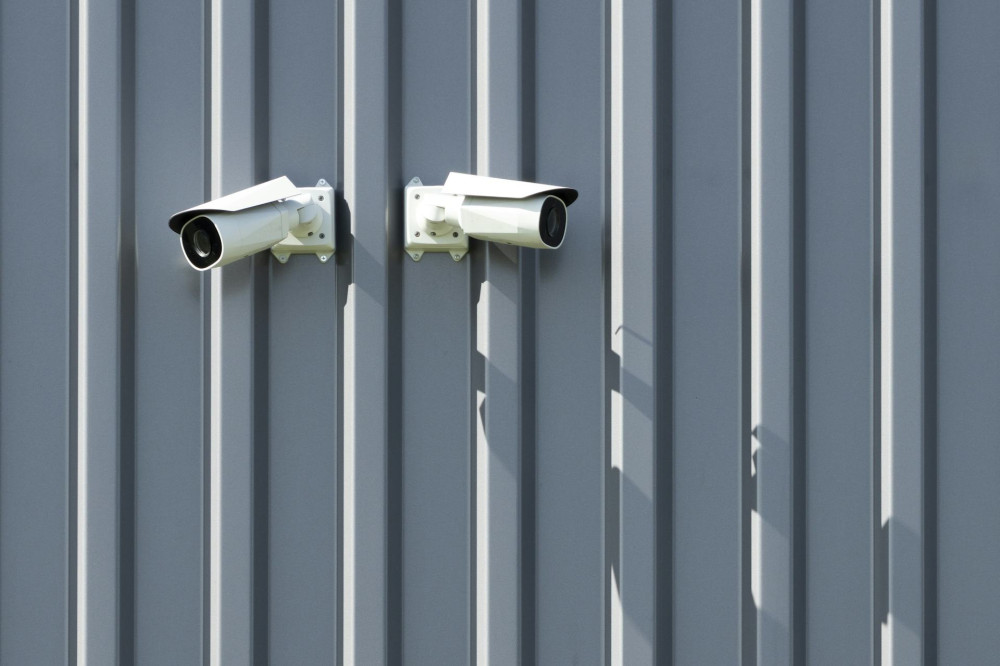
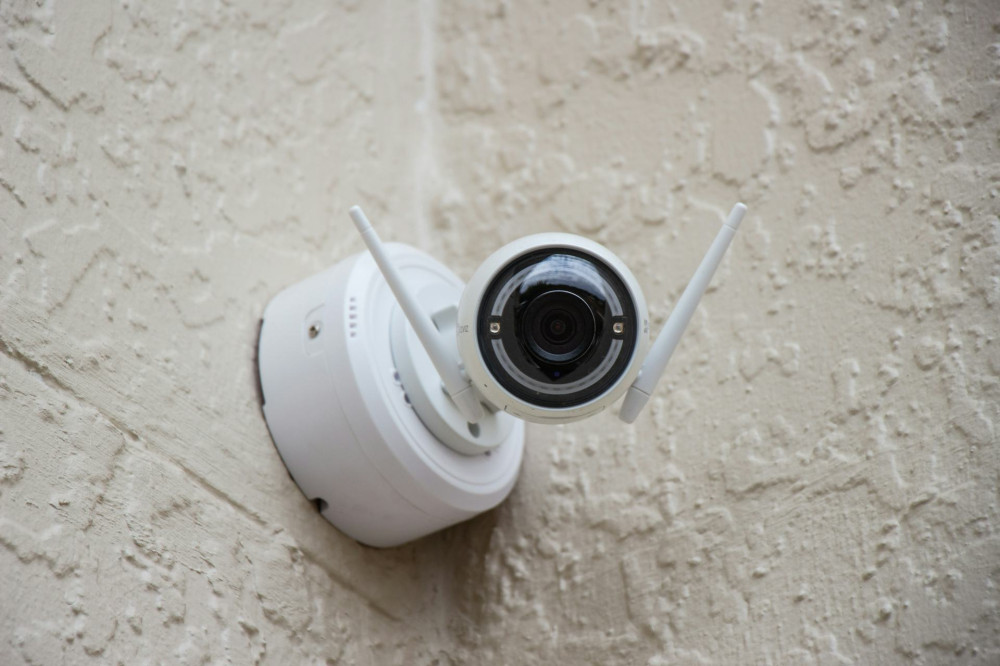
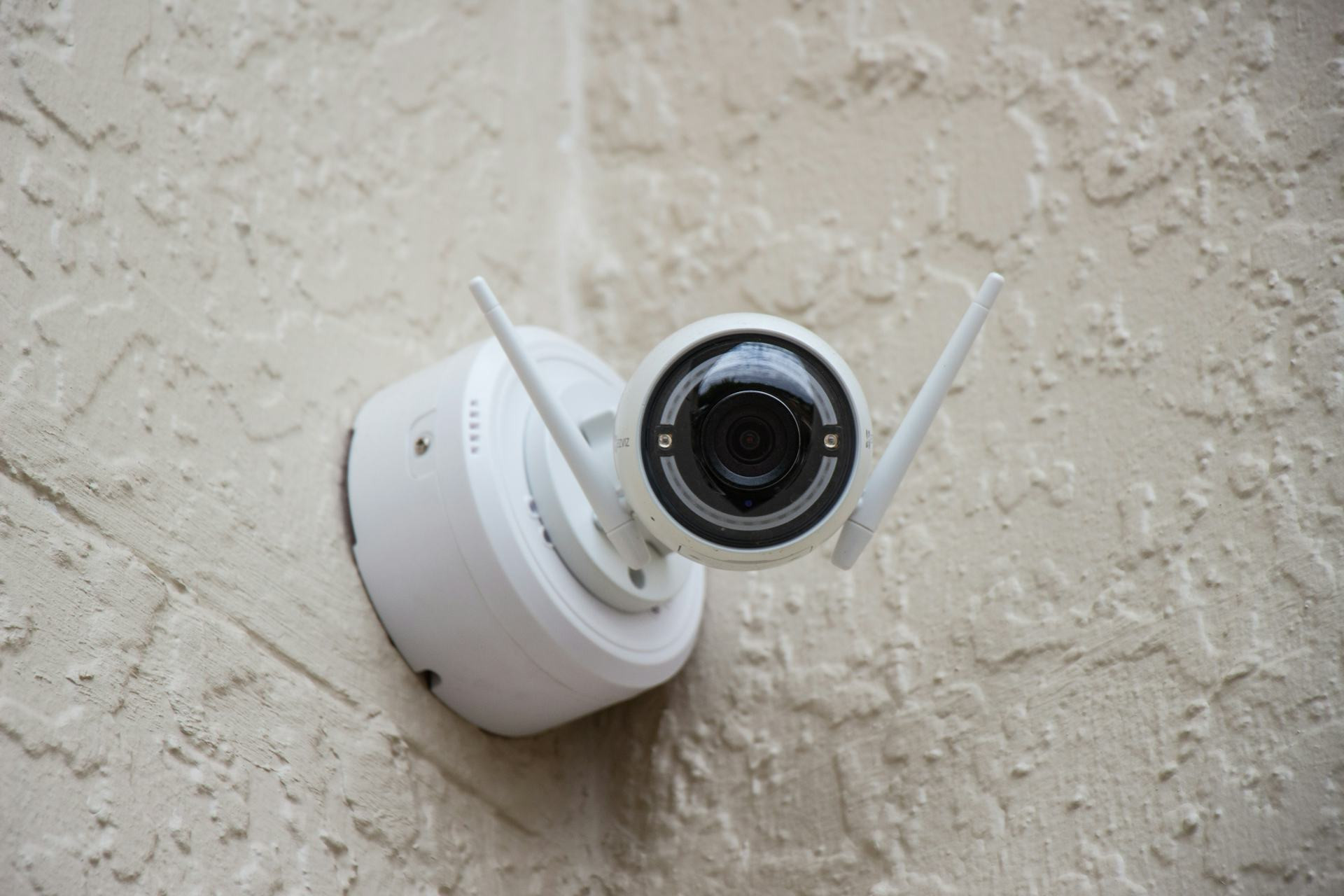
- CCTV cameras should only cover your own property – not public roads, footpaths, or a neighbour’s garden.
- Photos or videos of individuals should not be shared publicly without their consent.
- Personal information such as names, addresses, or car registration numbers must be handled carefully and not posted online.
If you believe someone is breaching these rules, you can refer them to the Data Protection Commission’s guidelines or, in serious cases, contact An Garda Síochána.
Use official channels
Misunderstandings often arise when neighbourhood watch communication happens informally on social media. Tone can quickly escalate, and information can spread uncontrollably. Instead, consider using official channels such as the Neighbourhood Watch Ireland network or your local Garda Community Policing Unit. These platforms provide clear frameworks for sharing information safely and responsibly.
If your group uses a local WhatsApp or Facebook group, agree on some ground rules about what can be shared and how members should communicate.
Læs også:

When dialogue isn’t enough
If you’ve tried to talk things through but the problem continues, take the matter further in a constructive way. You can contact your Residents’ Association, Community Alert group, or the local Garda liaison officer. They can help mediate and remind everyone of the shared purpose and boundaries of the scheme.
In rare cases where behaviour amounts to harassment or unlawful surveillance, it may be necessary to involve the Gardaí formally. Protecting your privacy and sense of safety is important – even within your own community.
Build a healthy community culture
The best way to prevent misuse of neighbourhood watch is to foster a culture of trust and respect. You can do this by:
- Holding an annual community meeting to discuss how the watch operates.
- Agreeing on how information is shared – ideally through official or moderated channels.
- Respecting each other’s privacy and personal boundaries.
- Focusing on the positive goal: looking out for one another, not policing each other.
When everyone feels safe and respected, the neighbourhood watch becomes a source of strength rather than tension.
Safety is built on trust
Neighbourhood watch works best when it’s based on mutual trust and respect. If someone oversteps, it’s rarely out of bad intent but rather misplaced enthusiasm. By addressing issues early, knowing the rules, and using the right channels, you can help ensure that your neighbourhood watch remains what it’s meant to be – a community effort that makes everyday life safer for everyone.
Læs også: