Light and Warmth: How to Use Colours and Surfaces to Save Energy

Light and Warmth: How to Use Colours and Surfaces to Save Energy
When we talk about saving energy at home, most people think of insulation, heat pumps, or smart thermostats. But colours and surfaces also play a surprisingly important role in how much energy you use for lighting and heating. With the right choices, you can make better use of natural light, retain warmth, and create a more comfortable living environment. Here’s a guide to how Irish homeowners can use colour and materials strategically to save energy every day.
The Power of Colour: Light and Heat
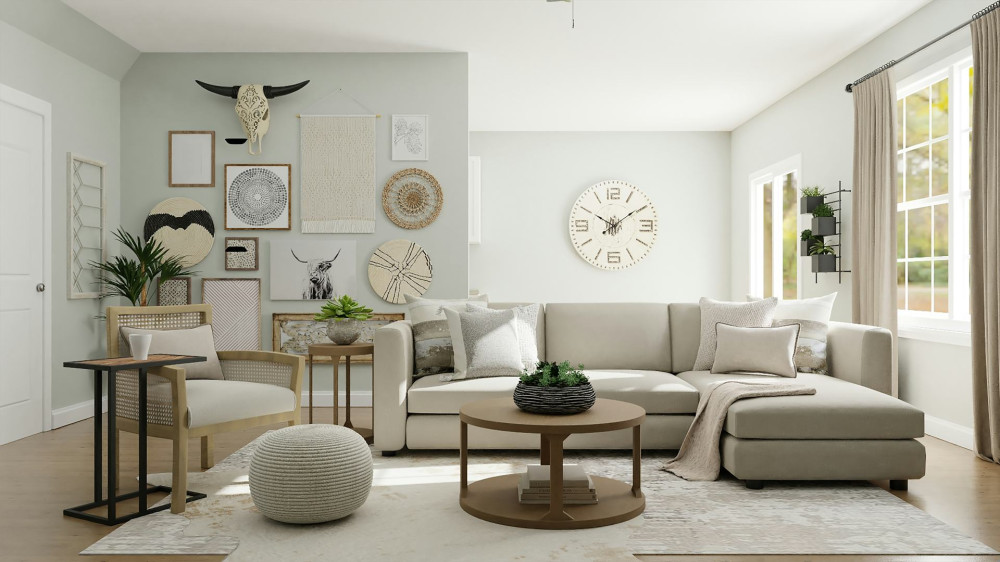
Colours don’t just affect the mood of a room – they also influence how light and heat behave. Light colours reflect more light, while dark colours absorb it. That means pale walls and ceilings can help you make the most of daylight, reducing the need for artificial lighting.
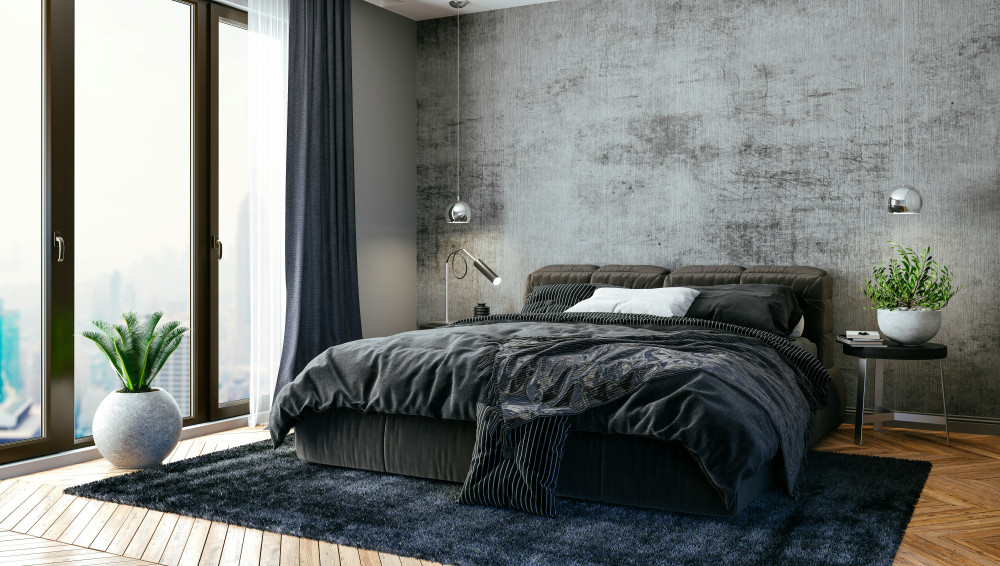
On the other hand, darker tones can be useful in rooms where you want to retain warmth. A dark wall facing south or west can absorb sunlight during the day and help keep the room warmer in the evening.
In short:
- Light colours = more brightness, less need for lamps.
- Dark colours = more warmth, less need for heating.
Making the Most of Daylight
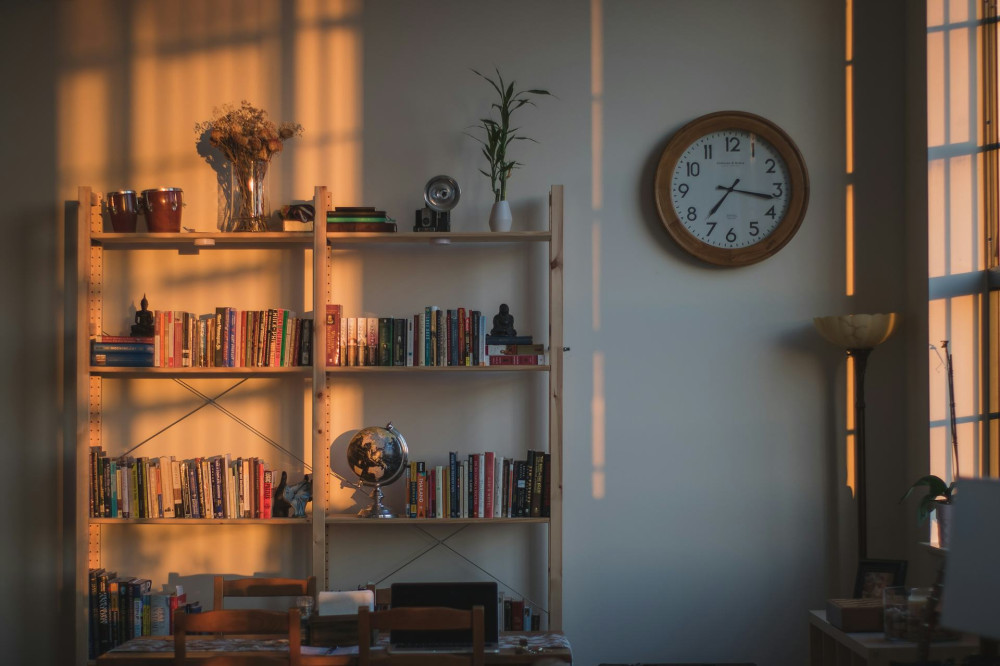
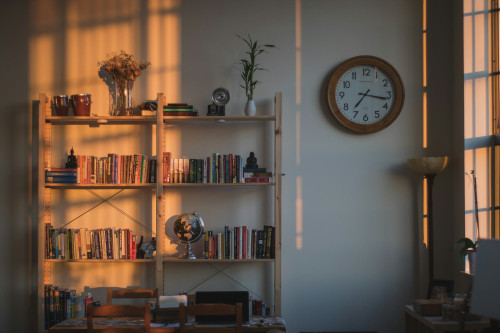
Daylight is free energy – and in Ireland, where winter days can be short and grey, it’s worth using every bit of it. The way you choose colours and finishes can help daylight reach further into your home.
- White or light ceilings reflect light evenly throughout the room.
- Pale walls near windows help spread daylight deeper inside.
- Matte finishes reduce glare but still reflect light effectively.
If you have dark floors or furniture, balance them with lighter walls and textiles so the space still feels bright. This can mean fewer lights switched on during the day – and lower electricity bills.
Surfaces That Store and Release Heat
Materials and surfaces also affect how heat is distributed and stored.
- Heavy materials like brick, stone, or concrete can absorb heat during the day and release it slowly when the temperature drops.
- Wood and fabrics feel warmer to the touch and can make a room feel cosier, even if the air temperature is the same.
Combining these materials with darker colours in sunny rooms can help you take advantage of passive solar heat – a simple way to reduce your reliance on radiators or electric heaters.
Choosing Colours for Each Room
Think about how each room is used when selecting colours:
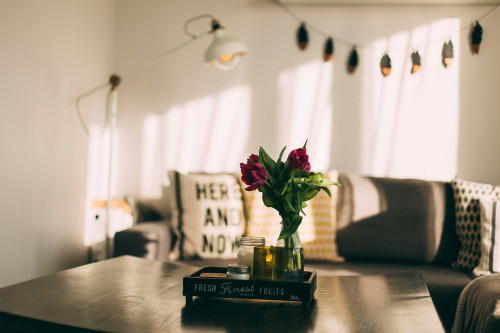
- Living rooms and lounges: Warm, slightly darker tones help retain heat and create a welcoming atmosphere.
- Kitchens and workspaces: Light colours provide clarity and make it easier to work without extra lighting.
- Bedrooms: Soft, cool shades can create a calm environment and help keep the room comfortable during warmer months.
By matching colours to a room’s purpose and orientation, you can achieve both comfort and energy efficiency.
Læs også:

Small Changes, Big Impact
You don’t need to repaint your entire house to notice a difference. Even small adjustments can have a real effect:
- Replace heavy, dark curtains with lighter ones that let in more daylight.
- Use mirrors and glossy surfaces to reflect light into darker corners.
- Paint radiators the same colour as the wall to improve heat distribution.
- Add reflective foil behind radiators on external walls to reduce heat loss.
These low-cost steps can add up to noticeable savings on your electricity and heating bills.
A Home That Works With Energy – Not Against It
Using colours and surfaces wisely isn’t just about style – it’s about letting your home work with natural light and heat instead of fighting against them. By making the most of daylight and retaining warmth, you can reduce your energy use while creating a more pleasant, sustainable living space.
It’s a simple but effective way to bring energy awareness into everyday life – without sacrificing comfort or beauty.
Læs også: