Rats in the Sewers? How to Deal with the Problem Safely and Effectively

Rats in the Sewers? How to Deal with the Problem Safely and Effectively
Rats in the sewers are a problem no homeowner wants to face – and for good reason. They can damage pipes, spread disease, and in some cases find their way into your home. But with the right knowledge and a few practical steps, you can prevent and manage the issue safely and effectively. Here’s a guide for Irish homeowners on how to handle the situation if you suspect rats in your drains or sewer system.
How to Spot the Signs of Rats
Rats are secretive creatures that rarely show themselves in daylight, but they leave clear evidence of their presence. Keep an eye out for these signs:
- Scratching or scurrying sounds coming from drains, walls, or under floors.
- Burrows or holes near drain covers, garden boundaries, or foundations.
- Rat droppings – small, dark pellets about 1–2 cm long, often found near manholes or sheds.
- A strong ammonia-like smell caused by rat urine.
- Damage to pipes or drains – rats can gnaw through plastic and weak joints.
If you notice one or more of these signs, it’s important to act quickly. The sooner the problem is addressed, the lower the risk of rats spreading or causing structural damage.
What to Do First
In Ireland, if you suspect a rat infestation, you should contact your local authority’s environmental health department or a licensed pest control professional. Many local councils provide advice or pest control services, especially if the problem originates from public sewers.
Avoid using poison or traps in the sewer yourself. Only trained and licensed professionals are allowed to use rodenticides in such areas, as misuse can harm wildlife, pets, and the environment. Your role is to report the issue and take steps to limit access and food sources until help arrives.
Preventing Rats in the Sewers
Prevention is the most effective way to avoid rat problems. Here are some key measures you can take:
- Install a non-return valve (rat blocker) in your sewer pipe. This device prevents rats from moving from the public sewer into your private system.
- Maintain your drains and pipes. Cracks, leaks, and old joints are open doors for rats. If you’re unsure, have a qualified plumber or drain specialist carry out a CCTV inspection.
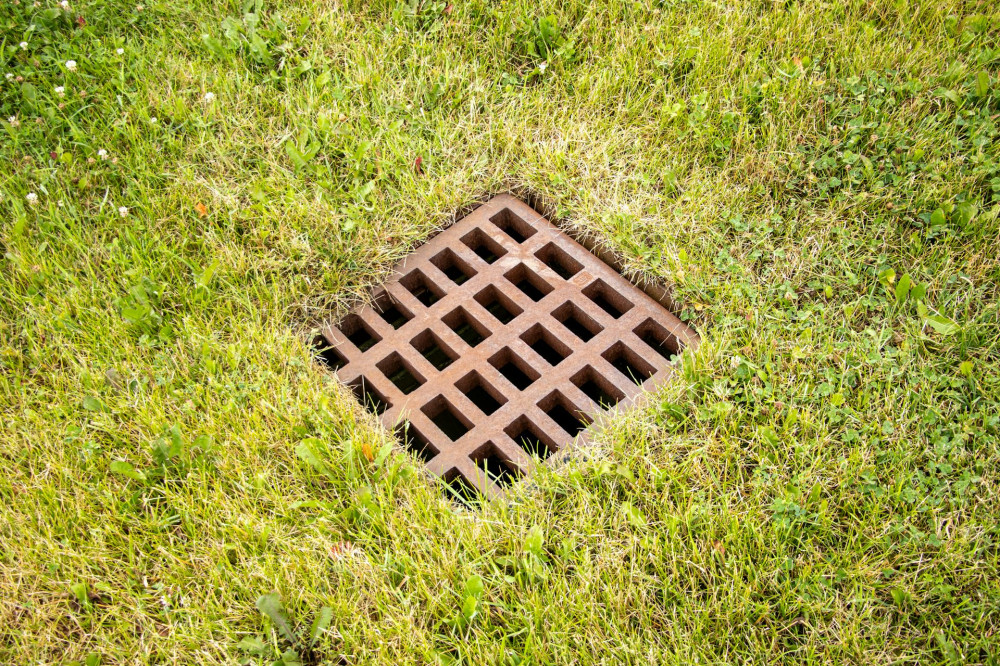
- Keep drain covers and grates secure. A loose or damaged cover can give rats easy access.
- Avoid pouring food waste or fats down the sink. Even small amounts can attract rats and cause blockages.
- Keep your garden tidy. Remove rubbish, pet food, and dense vegetation near the house – these provide shelter and food for rats.
Læs også:

If Rats Get Inside the House
If rats have already made their way indoors, act immediately. Seal any visible holes around pipes, vents, and foundations using metal mesh or cement – rats can chew through plastic and wood, but not metal.
Do not use poison on your own. Rats that die inside walls or under floors can cause severe odours and attract insects. A professional pest controller can assess the situation and use traps or bait safely and legally.
When to Call a Drain Specialist
If you suspect that rats are entering through a damaged drain, a drainage contractor can help. Using a camera inspection, they can locate cracks or breaks in the pipes and recommend repairs. This is especially important if you experience repeated infestations even after pest control treatment.
Some home insurance policies in Ireland cover damage caused by rats or the cost of repairing defective drains, but you’ll usually need documentation from a qualified professional. It’s worth checking your policy and keeping records of any inspections or repairs.
Peace of Mind Through Maintenance
Rats in the sewers are not a sign of poor hygiene – they can affect any property, urban or rural. But with regular maintenance, a rat blocker, and quick action when you spot signs of activity, you can greatly reduce the risk.
Think of your drainage system as part of your home’s foundation. It’s out of sight, but it plays a vital role in keeping your property safe and healthy. A little attention now can save you from major problems later.
Læs også: