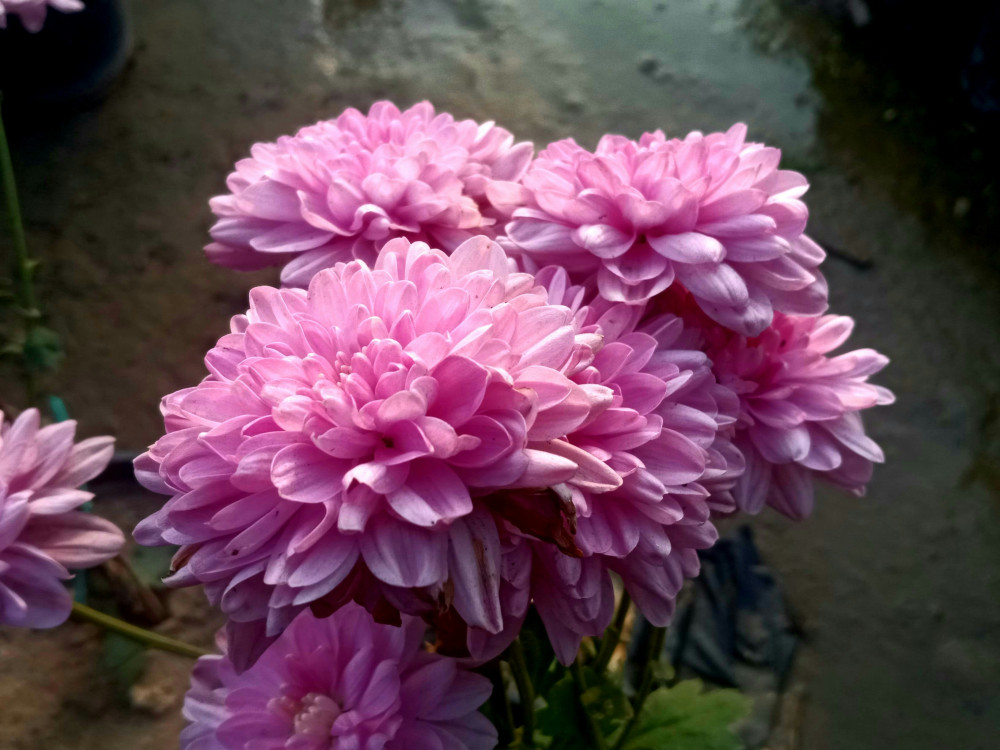
See examples of patio plants that thrive all year round


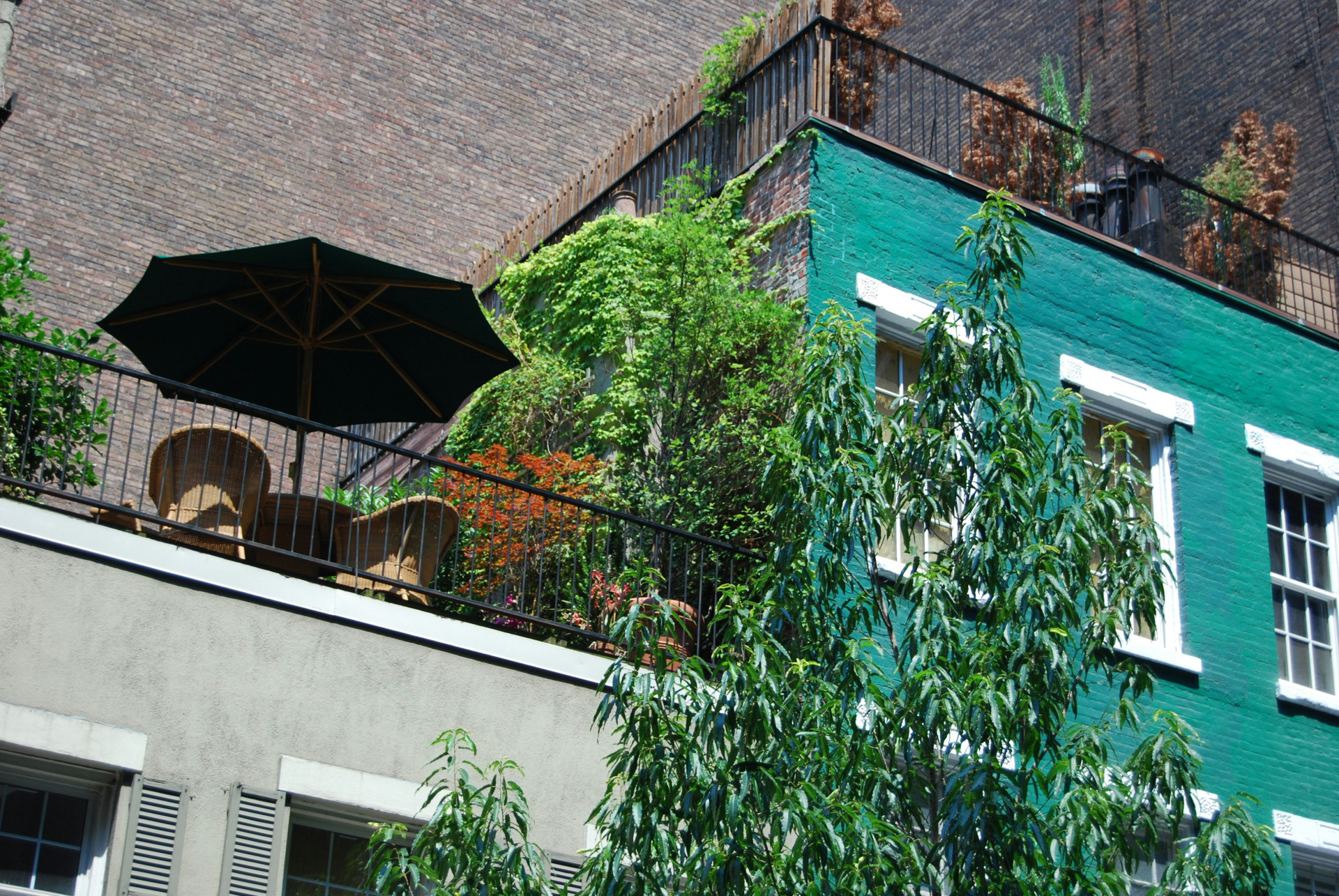
See examples of patio plants that thrive all year round
For many, the terrace functions as an extra living space, where plants play a central role in creating atmosphere and cohesion between outdoors and indoors. With the right terrace plants, you can ensure that your terrace remains green and inviting all year round – even when the temperature drops and the days get shorter.
In this article, you will get an overview of different types of terrace plants that can thrive through all seasons, so you can find inspiration to create a lush and durable planting that suits your style and terrace.
The article presents a selection of terrace plants that represent different types – from evergreen shrubs and ornamental grasses to flowering potted plants and hardy herbs. The aim is to provide a versatile insight into the possibilities of creating a terrace with plants that thrive all year round. The information about the plants is based on descriptions from producers and retailers and is summarised to provide an easy-to-understand and informative overview.
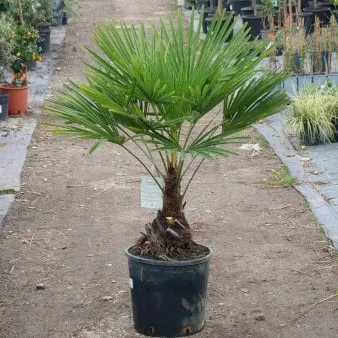
The Chusan Palm, also known as Trachycarpus fortunei, is one of the most cold-tolerant palms that can thrive in the Danish climate. It can withstand temperatures down to around -18 degrees and is therefore suitable for both planting in beds and as a potted plant on the terrace.
The palm has a robust, upright trunk with dark brown, fibrous bark and large, fan-shaped green leaves that give a striking, tropical appearance. It is evergreen and retains its foliage all year round, making it decorative in all seasons.
In Denmark, the Chusan Palm typically grows 3–4 metres tall, while in its natural habitat it can reach up to 10–12 metres. It grows moderately, about 7–20 cm per year after establishment. During the growing season, it continuously produces new leaves.
In June, the Chusan Palm develops small, yellow flowers in large clusters. Fruits only form if the plant is pollinated, as it is not self-pollinating. The fruits are not edible but have decorative value.
The Chusan Palm thrives best in sun to partial shade and in well-drained, nutrient-rich soil. It can be planted directly in the ground or in a spacious pot. For potted plants, winter protection or indoor overwintering is recommended, as the roots are sensitive to frost.
For optimal growth, the palm should be watered regularly during dry periods and fertilised in spring with a liquid fertiliser. In strong winter winds, the leaves can be tied up to protect them from damage.
- Winter hardy: Withstands temperatures down to approx. -18 °C.
- Evergreen: Retains its green, fan-shaped leaves all year round.
- Decorative trunk: Robust, fibrous bark with a tropical appearance.
- Suitable for pots and beds: Can be planted both outdoors and indoors with proper protection.
- Blooms in June: Small, yellow flowers in clusters.
Pros and cons
- Very cold-tolerant and robust
- Evergreen and decorative all year round
- Suitable for both pots and garden planting
- Requires minimal care after establishment
- Requires winter protection when potted
- Not self-pollinating – requires both male and female plants for fruit formation
- May take a year to establish before growth really begins
Pros and cons
Pros
- Very cold-tolerant and robust
- Evergreen and decorative all year round
- Suitable for both pots and garden planting
- Requires minimal care after establishment
Cons
- Requires winter protection when potted
- Not self-pollinating – requires both male and female plants for fruit formation
- May take a year to establish before growth really begins
Pros
- Very cold-tolerant and robust
- Evergreen and decorative all year round
- Suitable for both pots and garden planting
- Requires minimal care after establishment
Cons
- Requires winter protection when potted
- Not self-pollinating – requires both male and female plants for fruit formation
- May take a year to establish before growth really begins
Specifications
- Botanical name: Trachycarpus fortunei
- Danish name: Chusan Palm
- Category: Terrace Plants / Trachycarpus
- Height (in Denmark): 300–400 cm
- Growth: Vigorous, 7–20 cm per year
- Leaf type: Evergreen
- Leaf colour: Green
- Flower colour: Yellow
- Flowering: June
- Flowering period: Summer
- Growth form: Parasol shape
- Placement: Sun to partial shade
- Optimal growing conditions: Full sun, Partial shade
- Wind conditions: Should be placed in a sheltered location
- Use: Pots, Windbreaks, Gardens
- Fruit/berries: No
- Autumn colour: Green
- Bee-friendly: Yes
- Origin: Japan and China
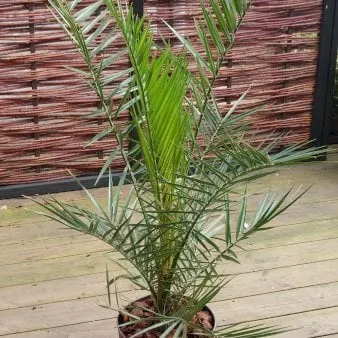
The Phoenix palm (Phoenix canariensis) is a classic palm species originally from the Canary Islands. It is characterised by its strong, single-stemmed growth and long, feather-shaped leaves, which give it a distinctive tropical appearance.
Under Danish conditions, the plant typically grows to about two metres tall, while in its natural environment it can reach up to 15–20 metres. It grows slowly and over time develops a sturdy trunk with dark brown, patchy bark.
The leaves are dark green, evergreen, and arch gracefully from the centre, making the plant suitable as a solitary plant in pots on the terrace or as a decorative indoor plant. In the summer months, it can produce small yellow flowers, which later develop into small, inedible fruits in yellow and reddish hues.
The Phoenix palm thrives best in full sun or partial shade and prefers well-drained, nutrient-rich soil. It tolerates short-term temperature drops down to around freezing point but should be protected or moved indoors during the winter period.
When planting, it is recommended to use a spacious pot with well-drained soil and possibly add slow-release fertiliser in spring. In the winter months, the root zone can be covered with a layer of soil to retain warmth and moisture.
- Decorative palm: Creates an exotic and Mediterranean-inspired look in the garden or home.
- Suitable for pots: Thrives well in large containers and can be moved as needed.
- Hardy plant: Tolerates temperatures down to around freezing with proper protection.
- Evergreen: Retains its green foliage all year round.
- Slow growth: Develops gradually and requires minimal pruning.
Pros and cons
- Gives a distinctive, exotic appearance
- Can be used both outdoors and indoors
- Relatively undemanding and hardy
- Evergreen and decorative all year round
- Requires frost protection in winter
- Slow growth requires patience
- The fruits are not edible
Pros and cons
Pros
- Gives a distinctive, exotic appearance
- Can be used both outdoors and indoors
- Relatively undemanding and hardy
- Evergreen and decorative all year round
Cons
- Requires frost protection in winter
- Slow growth requires patience
- The fruits are not edible
Pros
- Gives a distinctive, exotic appearance
- Can be used both outdoors and indoors
- Relatively undemanding and hardy
- Evergreen and decorative all year round
Cons
- Requires frost protection in winter
- Slow growth requires patience
- The fruits are not edible
Specifications
- Botanical name: Phoenix canariensis
- Danish name: Phoenix palm / Canary Island date palm
- Category: Terrace Plants, Specialities
- Height (under Danish conditions): Up to approx. 2 metres
- Height (in natural environment): Up to 15–20 metres
- Leaf colour: Dark green
- Leaf type: Evergreen, feather-like
- Growth form: Vase-shaped, upright with overhanging leaves
- Flowering: June
- Flower colour: Yellow
- Fruit/berry: Yes, decorative but not edible
- Flowering period: Summer
- Placement: Sun to partial shade
- Light conditions: Full sun, Partial shade
- Growth: Moderate
- Optimal growth conditions: Well-drained soil, sunny location
- Use: Pots, terrace, garden
- Autumn colour: Green
- Ripening: September–October
- Pot variant: 3.0 litres
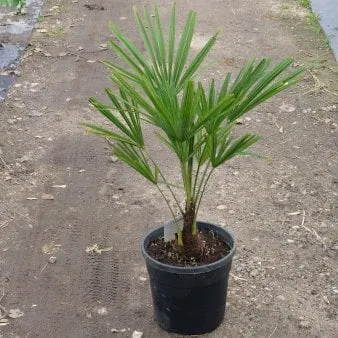
The Chusan Palm (Trachycarpus fortunei) is one of the most cold-tolerant palms that can be grown in Denmark. It tolerates temperatures down to around -18 degrees and can therefore be planted directly in the garden or used as a potted plant on the terrace.
The palm has a strong, upright growth and develops a robust trunk with dark brown, fibrous bark. The large, fan-shaped leaves are green and evergreen, giving the plant a tropical appearance all year round.
In its natural environment, the Chusan Palm can grow up to 10–12 metres tall, but in Denmark it typically reaches a height of 3–4 metres. It grows moderately, about 7–20 cm per year after establishment.
Flowering occurs in June, when the palm produces many small, yellow flowers in clusters. Fruits develop only if both male and female plants are present, as the species is not self-pollinating.
The Chusan Palm thrives best in sun to partial shade and in well-drained, nutrient-rich soil. It can be planted in a bed or pot, but potted plants should be protected in winter or overwintered indoors to avoid frost damage to the roots.
When planting, it is recommended to use well-drained exotic soil and to provide the plant with support during the first seasons. During dry periods, it should be watered regularly, and fertilising in spring promotes growth.
- Cold-tolerant palm: Can withstand temperatures down to approx. -18 °C.
- Evergreen: Retains its green, fan-shaped leaves all year round.
- Decorative trunk: Robust, fibrous bark with a characteristic structure.
- Suitable for pots and beds: Can be grown both outdoors and indoors.
- Blooms in June: Produces small, yellow flowers in clusters.
Pros and cons
- Very hardy and cold-tolerant
- Evergreen and decorative all year round
- Suitable for both garden and terrace
- Requires limited maintenance after establishment
- Potted plants require winter protection against frost
- Fruits only form with pollination between male and female plants
- Growth is slow during the first years after planting
Pros and cons
Pros
- Very hardy and cold-tolerant
- Evergreen and decorative all year round
- Suitable for both garden and terrace
- Requires limited maintenance after establishment
Cons
- Potted plants require winter protection against frost
- Fruits only form with pollination between male and female plants
- Growth is slow during the first years after planting
Pros
- Very hardy and cold-tolerant
- Evergreen and decorative all year round
- Suitable for both garden and terrace
- Requires limited maintenance after establishment
Cons
- Potted plants require winter protection against frost
- Fruits only form with pollination between male and female plants
- Growth is slow during the first years after planting
Specifications
- Botanical name: Trachycarpus fortunei
- Danish name: Chusan Palm
- Category: Terrace Plants
- Height (mature plant): 300–400 cm
- Leaf type: Evergreen
- Leaf colour: Green
- Flower colour: Yellow
- Flowering: June
- Flowering period: Summer
- Growth form: Parasol shape
- Growth: Vigorous
- Placement: Sun to partial shade
- Optimal growing conditions: Full sun, Partial shade
- Wind conditions: Should be placed in a sheltered location
- Use: Pots, Windbreaks, Gardens
- Fruit/berries: No
- Autumn colour: Green
- Bee-friendly: Yes
- Origin: Japan and China
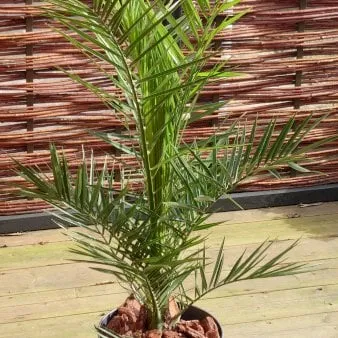
The Phoenix palm (Phoenix canariensis) is a classic ornamental palm originating from the Canary Islands. It is characterised by its strong, single-stemmed growth and long, feather-shaped leaves, which give it a striking and exotic appearance.
In its natural environment, the palm can grow up to 15–20 metres tall, but under Danish conditions it typically reaches a height of around 2 metres. It is therefore well suited as a terrace plant in large pots or as a houseplant in bright rooms.
The leaves are dark green and evergreen, meaning the plant retains its foliage all year round. The trunk is robust with a characteristic brown, patchy bark that contributes to the plant’s sculptural appearance.
In the summer months, the palm can produce small yellow flowers that later develop into decorative but inedible fruits in yellow and reddish hues. These fruits often attract birds to the garden.
The Phoenix palm thrives best in full sun or partial shade and prefers well-drained, nutrient-rich soil – ideally an exotic soil mix. It tolerates temperatures down to around freezing but should be protected or moved indoors during the winter period.
When planting, it is recommended to use a spacious pot so the roots have room to develop. A slow-release fertiliser in spring and a layer of soil around the root zone during the winter months can promote healthy growth.
- Decorative palm: Creates an exotic and Mediterranean-inspired look in the garden or home.
- Evergreen: Retains its dark green foliage all year round.
- Suitable for pots: Works well as a terrace or indoor plant in spacious containers.
- Hardy: Tolerates temperatures down to around freezing with appropriate protection.
- Slow-growing: Requires minimal pruning and maintenance.
Pros and cons
- Gives a striking, tropical look to the garden or home
- Can be used both outdoors and indoors
- Relatively undemanding and hardy compared to other palms
- Evergreen and decorative all year round
- Requires frost protection or indoor storage during winter
- Slow growth means larger plants take time to develop
- The fruits are not edible
Pros and cons
Pros
- Gives a striking, tropical look to the garden or home
- Can be used both outdoors and indoors
- Relatively undemanding and hardy compared to other palms
- Evergreen and decorative all year round
Cons
- Requires frost protection or indoor storage during winter
- Slow growth means larger plants take time to develop
- The fruits are not edible
Pros
- Gives a striking, tropical look to the garden or home
- Can be used both outdoors and indoors
- Relatively undemanding and hardy compared to other palms
- Evergreen and decorative all year round
Cons
- Requires frost protection or indoor storage during winter
- Slow growth means larger plants take time to develop
- The fruits are not edible
Specifications
- Botanical name: Phoenix canariensis
- Danish name: Phoenix palm / Canary Island date palm
- Category: Terrace plants, Specialities
- Growth form: Vase-shaped, single-stemmed
- Height (under Danish conditions): Up to approx. 2 metres
- Height (in natural environment): Up to 15–20 metres
- Leaf colour: Dark green
- Leaf type: Evergreen, feather-like
- Flower colour: Yellow
- Flowering: June
- Fruit/berries: Yes, decorative but inedible
- Flowering period: Summer
- Placement: Sun to partial shade
- Light conditions: Full sun, Partial shade
- Growth: Moderate
- Optimal growth conditions: Well-drained, nutrient-rich soil
- Use: Pots, terraces, gardens
- Autumn colour: Green
- Ripening: September–October
Læs også: