Home Energy Management: Gain Insight and Awareness of Your Consumption

Home Energy Management: Gain Insight and Awareness of Your Consumption
Most of us rarely think about our home energy use—until the electricity bill arrives or the heating costs suddenly rise. But with energy prices fluctuating and sustainability becoming a national priority, it’s more important than ever to understand how we use energy in our daily lives. Home energy management isn’t just about saving money; it’s about creating awareness, comfort, and responsibility in the home.
Here’s how you can gain insight into your energy consumption, use technology to your advantage, and make your home more energy-efficient.
What Is Home Energy Management – and Why Does It Matter?
Home energy management refers to the methods and tools you use to monitor, control, and optimise your energy consumption. This can include anything from tracking your electricity use through an app to installing smart thermostats that automatically adjust heating based on your schedule.
The goal is twofold: to reduce unnecessary consumption and to ensure that energy is used where it provides the most benefit. It’s not about sacrificing comfort—it’s about using energy more intelligently.
When you understand where and when you use the most energy, it becomes easier to change habits and prioritise the actions that have the biggest impact—both financially and environmentally.
Get an Overview of Your Consumption
The first step towards better energy management is gaining a clear overview. Many Irish energy suppliers now offer online dashboards or mobile apps that let you track your usage hour by hour. This gives you a clear picture of when your energy use peaks—and where you can make improvements.
You can also use simple tools such as:
- Energy monitors – small devices that measure the consumption of individual appliances, such as your fridge or tumble dryer.
- Smart home apps – many modern heating systems and appliances can connect to apps that show real-time energy use.
- Energy statements – compare your current usage with previous months or years to see if your changes are making a difference.
Once you know your consumption patterns, you can start adjusting—and see the results almost immediately.
Smart Solutions for a More Efficient Home
Technology makes it easier than ever to manage energy at home. Smart solutions can bring both comfort and savings:
- Smart thermostats automatically adjust heating based on your daily routine and the weather outside.
- Motion sensors can turn lights on and off automatically, preventing unnecessary energy use.
- Smart plugs allow you to completely switch off devices when not in use—many appliances still draw power in standby mode.
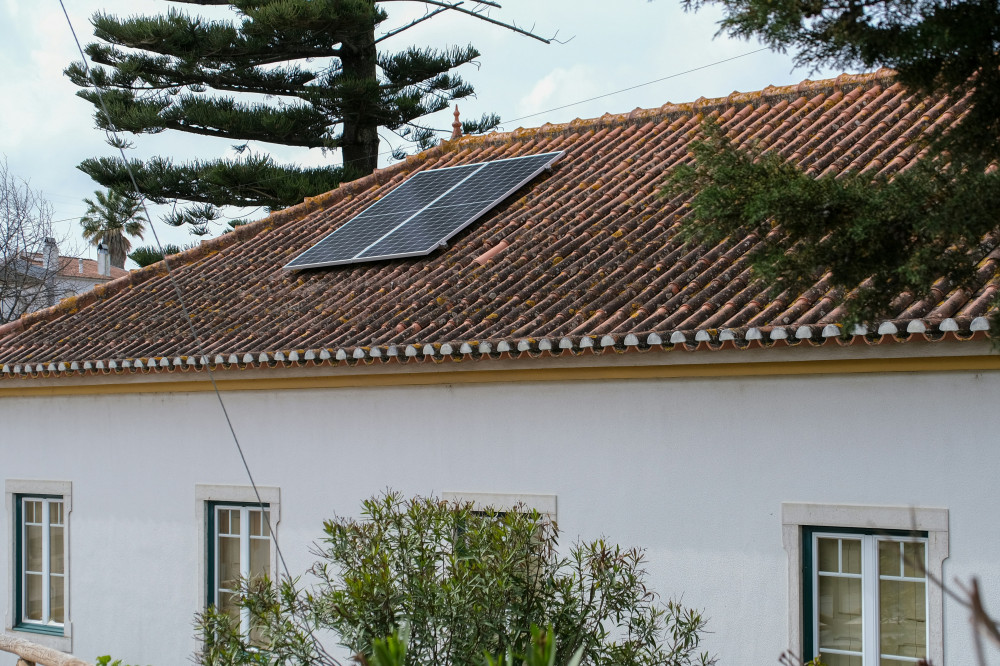
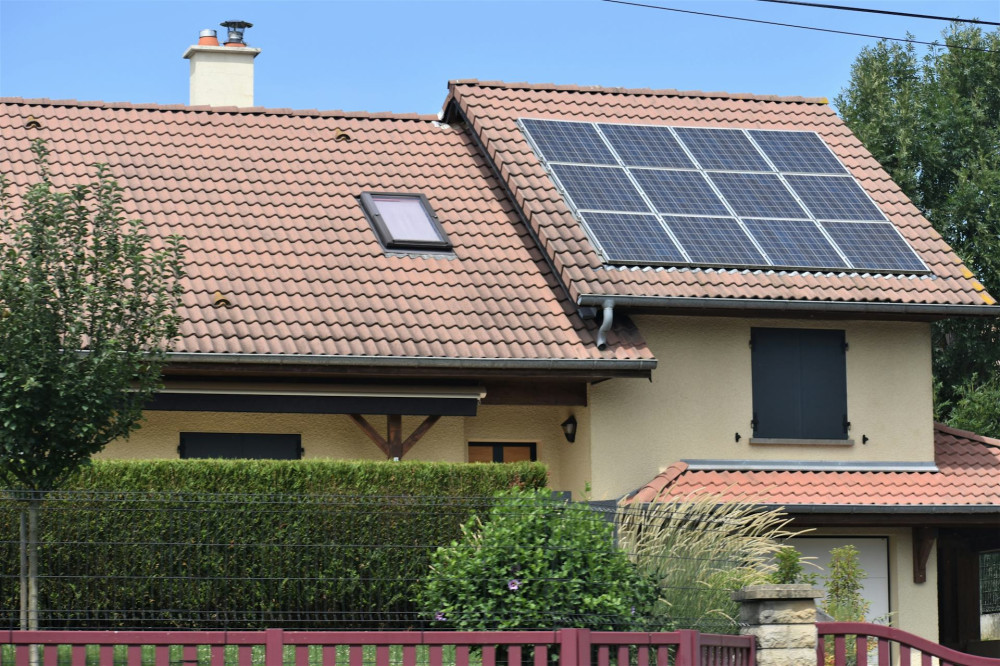
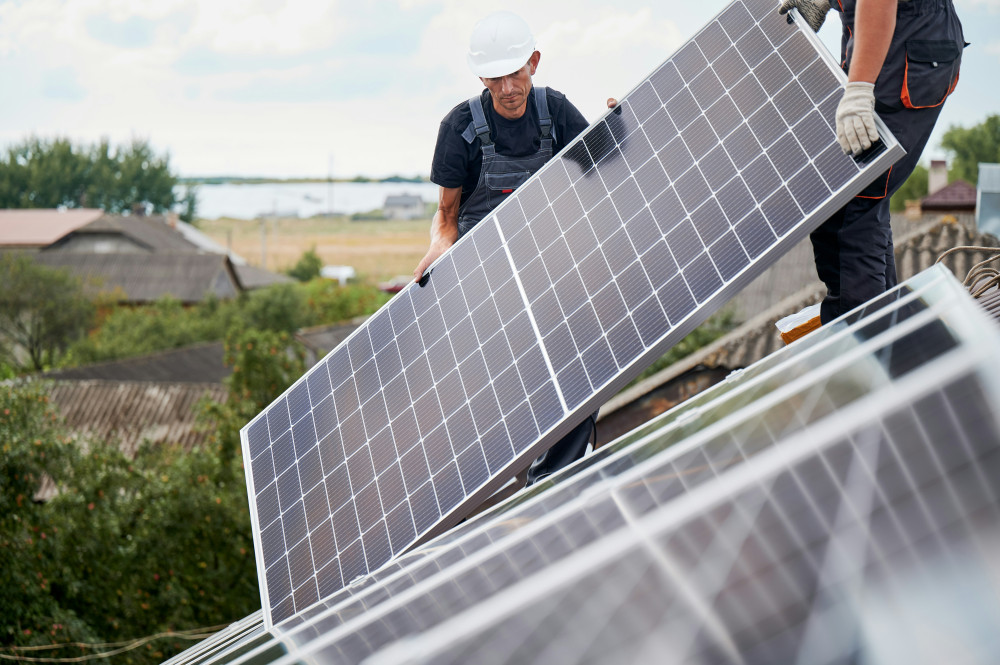
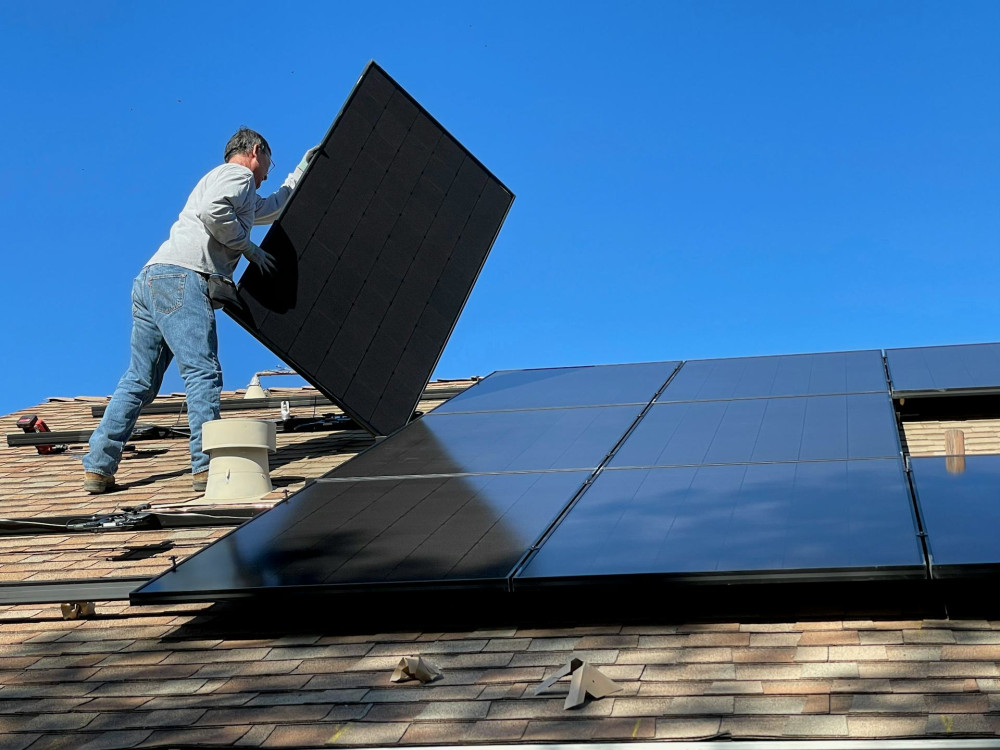
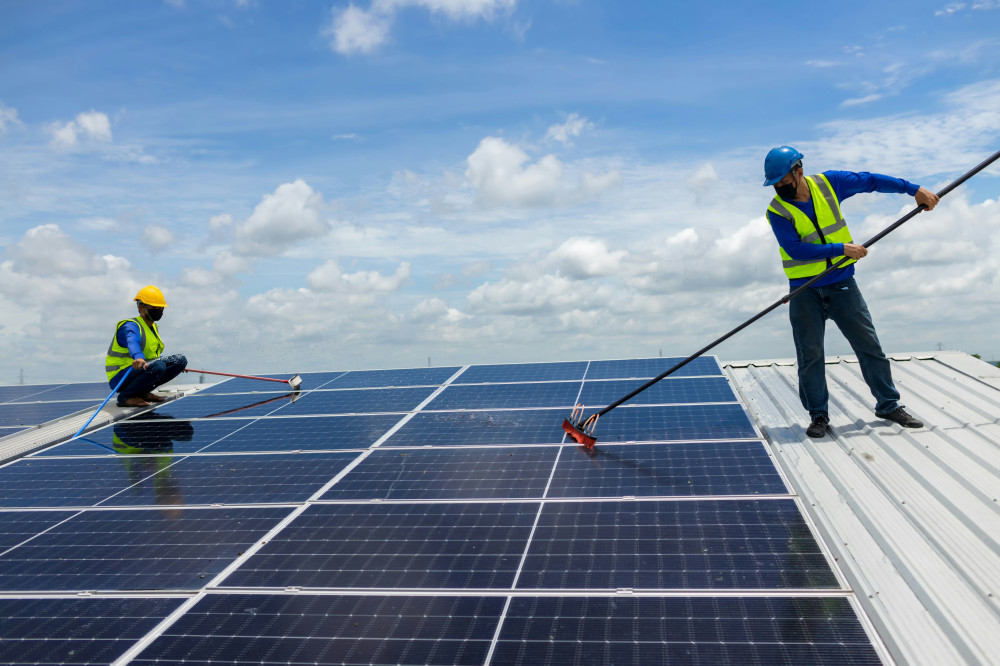
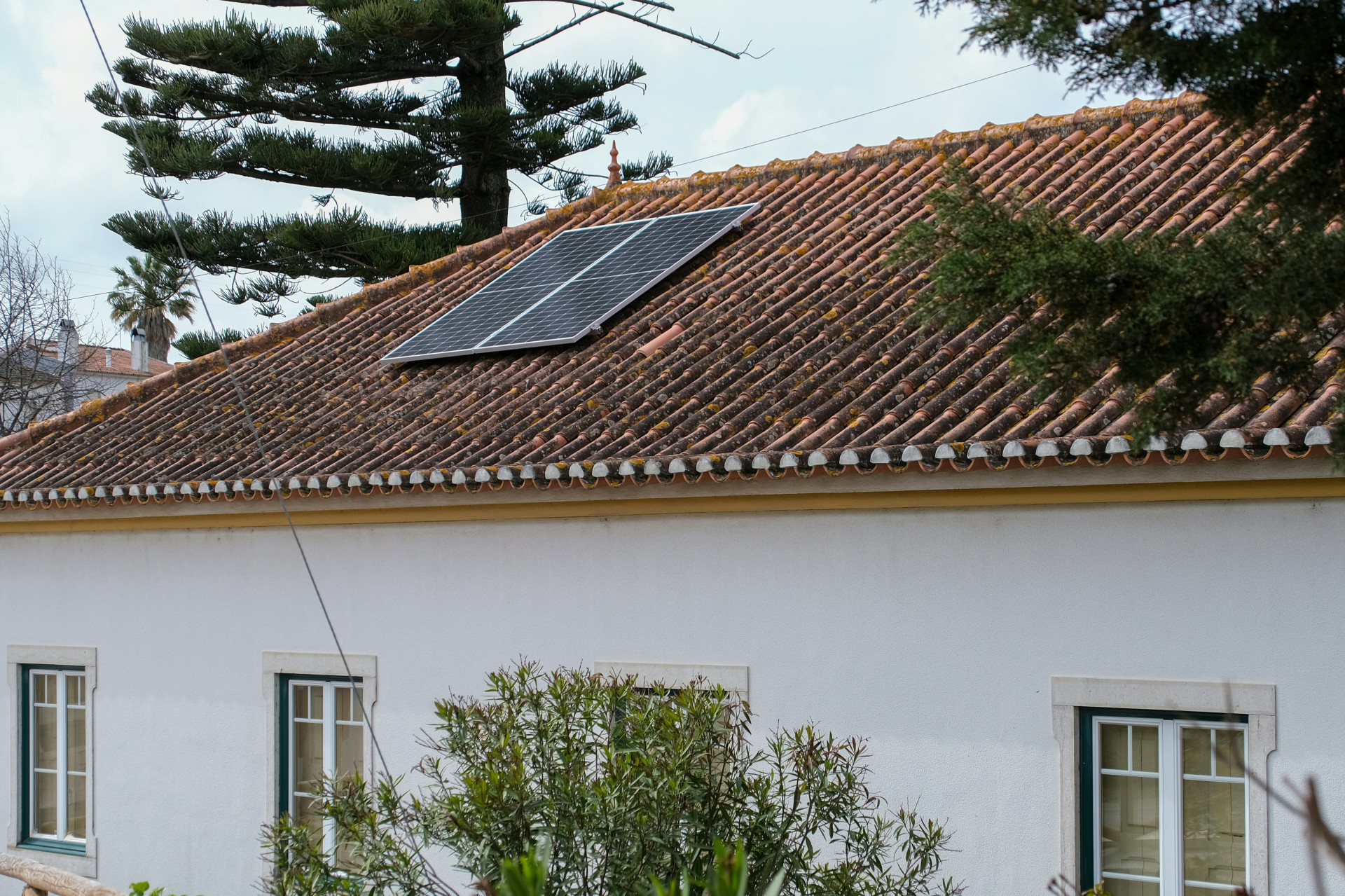
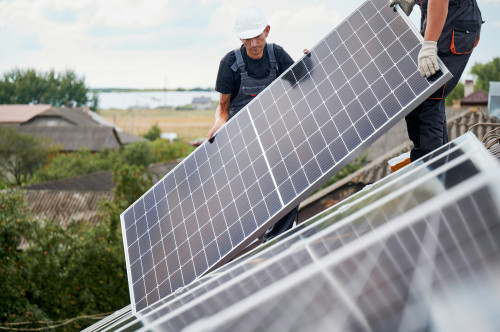
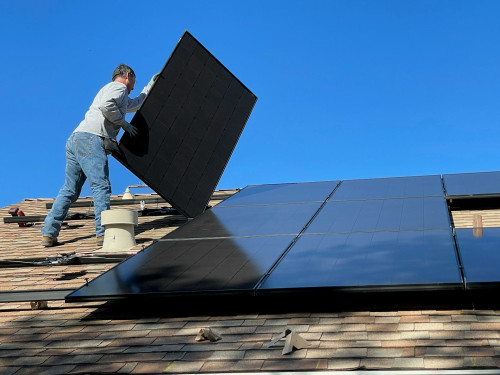
- Solar panels and battery storage can be integrated with energy management systems, helping you make the most of your self-generated electricity.
Even small adjustments can make a big difference. The key is to find the solutions that fit your home and lifestyle.
Build Better Everyday Habits
Technology can help, but lasting change often comes from our own habits. Small daily actions can quickly add up to noticeable savings:
- Turn off lights when leaving a room.
- Run washing machines and dishwashers only when full.
- Ventilate rooms briefly and effectively instead of leaving windows open for long periods.
- Lower your thermostat by just one degree—it can reduce heating costs by up to 5%.
- Avoid leaving electronics on standby.
When energy saving becomes a natural part of your routine, it soon turns into a habit—with both financial and environmental rewards.
Make Energy Management a Shared Effort
Energy management works best when everyone in the household is involved. Talk with your family about how you can save energy together and make it a shared project. Children can learn to switch off lights or track how the household’s energy use changes when habits improve.
Setting specific goals—such as reducing electricity use by 10% over six months—can also be motivating. Celebrate your progress when you reach those goals. That way, energy management becomes a positive, shared effort rather than a chore.
Læs også:
A More Sustainable Home Starts with Awareness
Ultimately, home energy management is about awareness. When you know where your energy goes and how you can influence it, you gain control over both your budget and your environmental footprint.
With the right tools and habits, you can create a home that’s comfortable, cost-effective, and sustainable—without compromising on quality of life.
It’s not always the big investments that make the difference, but the small, consistent steps you take every day.
Læs også: