Learn to Read Your Energy Use – How to Understand Your Electricity and Heating Readings


Learn to Read Your Energy Use – How to Understand Your Electricity and Heating Readings
Your electricity and heating meters can tell you far more than just how much energy you’ve used. They can help you understand your daily habits, spot hidden energy drains, and save money on your bills. Yet for many households, the numbers and units on the meter remain a mystery. This guide will help you read and understand your energy use so you can take control of your electricity and heating costs.
The Electricity Meter – How to Read It
Most Irish homes now have a smart electricity meter, which automatically sends readings to ESB Networks and your energy supplier. Even so, it’s useful to know how to read it yourself – especially if you want to track your usage closely or check that your bills are accurate.
How to do it
- Locate your electricity meter – it’s usually found in a meter box outside your home or in a utility area.
- The display shows a number in kilowatt-hours (kWh). This is the total amount of electricity used since the meter was installed.
- Some meters show multiple readings – for example, one for daytime and one for night-time use if you’re on a Day/Night tariff.
You can note the reading regularly, such as once a week, and calculate the difference. This helps you see how much electricity you use over time and when your usage increases.
What does kWh mean?
A kilowatt-hour is the amount of energy used when a 1,000-watt appliance runs for one hour. Examples:
- A kettle rated at 2,000 watts uses 2 kWh if it runs for an hour (though it usually runs for just a few minutes).
- A fridge typically uses 200–300 kWh per year.
- A tumble dryer can use 3–4 kWh per cycle.
Once you know your usage in kWh, multiply it by your electricity rate to estimate the cost.
Understanding Your Heating Use
In Ireland, homes are heated in different ways – through gas boilers, oil systems, electric heating, or heat pumps. Each has its own type of meter or way of measuring energy use.
Gas heating
If you have a gas boiler, your gas meter measures usage in cubic metres (m³). Your supplier converts this to kilowatt-hours (kWh) on your bill, using a standard formula that accounts for gas quality and energy content.
To read your gas meter:
- Note the numbers on the display (ignore any red digits or numbers after a decimal point).
- Subtract your previous reading to find out how much gas you’ve used.
- Multiply by the conversion factor (shown on your bill) to estimate kWh.
Oil or solid fuel heating
If you use oil or solid fuel, you won’t have a meter, but you can track usage by recording how much fuel you buy and how long it lasts. This helps you estimate your average consumption and plan refills more efficiently.
Heat pumps and electric heating
If you have a heat pump or storage heaters, your electricity meter records all the energy used for heating. Some homes have a separate meter or tariff for heating, especially if you use night-rate electricity.
Track Your Usage Online
Most Irish energy suppliers now offer online accounts or mobile apps where you can view your energy data. If you have a smart meter, you can see your electricity use by the hour, day, or month. This makes it easier to spot patterns – for example, if your usage spikes at night or if heating costs rise unexpectedly.
By comparing your usage over time, you can see the effect of small changes:
- What happens when you switch to LED bulbs?
- How much do you save by lowering your thermostat by one degree?
- Does turning appliances off completely (instead of leaving them on standby) make a difference?
These insights can help you make smarter energy choices and reduce waste.
Common Energy Drains in Irish Homes
Once you start tracking your energy use, you may be surprised by which appliances consume the most. Here are some common culprits:
- Tumble dryers – use a clothesline or drying rack when possible.
- Immersion heaters – set timers so they only run when needed.
- Underfloor heating – can use a lot of energy if left on constantly.
- Fridges and freezers – keep them well ventilated and defrost regularly.
- Standby devices – TVs, routers, and chargers draw power even when not in use.
Identifying these high-use items helps you focus your efforts where they’ll have the biggest impact.
Læs også:
Make Energy Monitoring a Habit
Reading your meters isn’t just about numbers – it’s about awareness. When you know where your energy goes, it’s easier to change habits and use it more efficiently.
Try building a simple routine:
- Check your electricity meter weekly.
- Record your gas reading monthly.
- Review your online energy dashboard regularly.
By making this part of your routine, you’ll stay in control of your energy use – not just when the bill arrives.
From Numbers to Action
Understanding your readings is the first step. The next is to act on them. Consider:
- Upgrading to energy-efficient appliances.
- Improving insulation and sealing drafts.
- Installing smart thermostats or heating controls.
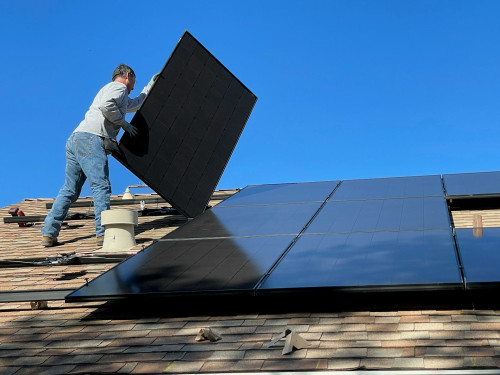
- Exploring renewable options like solar panels or heat pumps.
Even small changes can make a big difference – for your wallet, your comfort, and the environment.
Læs også: