How to Extend the Lifespan of Your Wall Insulation

How to Extend the Lifespan of Your Wall Insulation
Good wall insulation is one of the most effective ways to save energy and maintain a comfortable indoor climate. But even the best insulation won’t last forever. Moisture, damage, and general wear can reduce its performance over time – something you’ll notice both in your heating bills and in the comfort of your home. Fortunately, with a bit of care and attention, you can significantly extend its lifespan. Here’s a guide to keeping your wall insulation in top condition.
Know Your Insulation Type
Before you can maintain your insulation, it’s important to know what kind you have. In Irish homes, the most common types of wall insulation include:
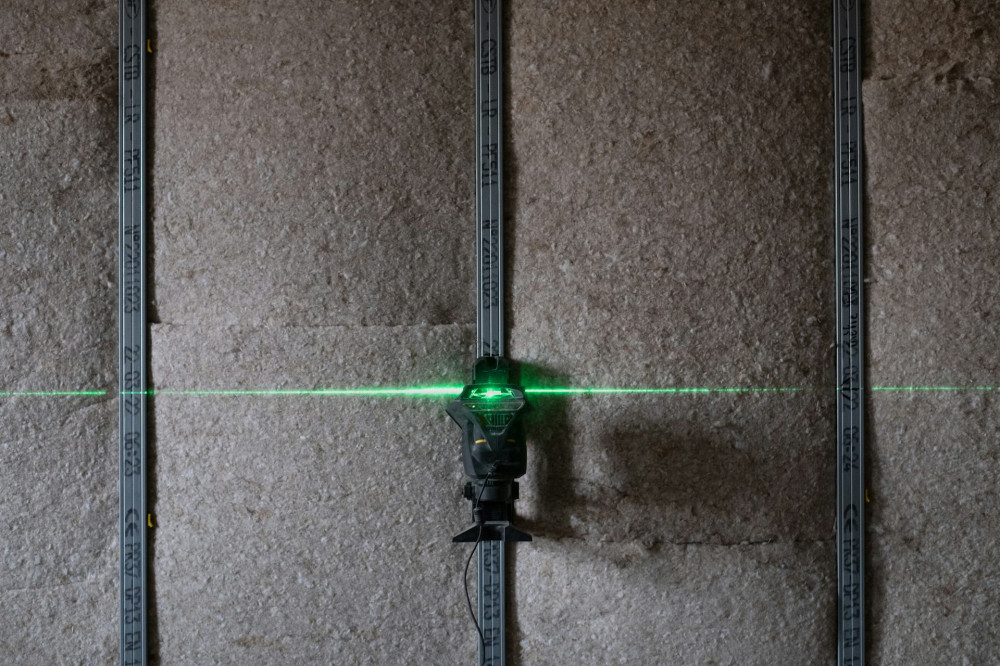
- Mineral wool (glass or rock wool) – widely used in cavity walls and timber-frame constructions.
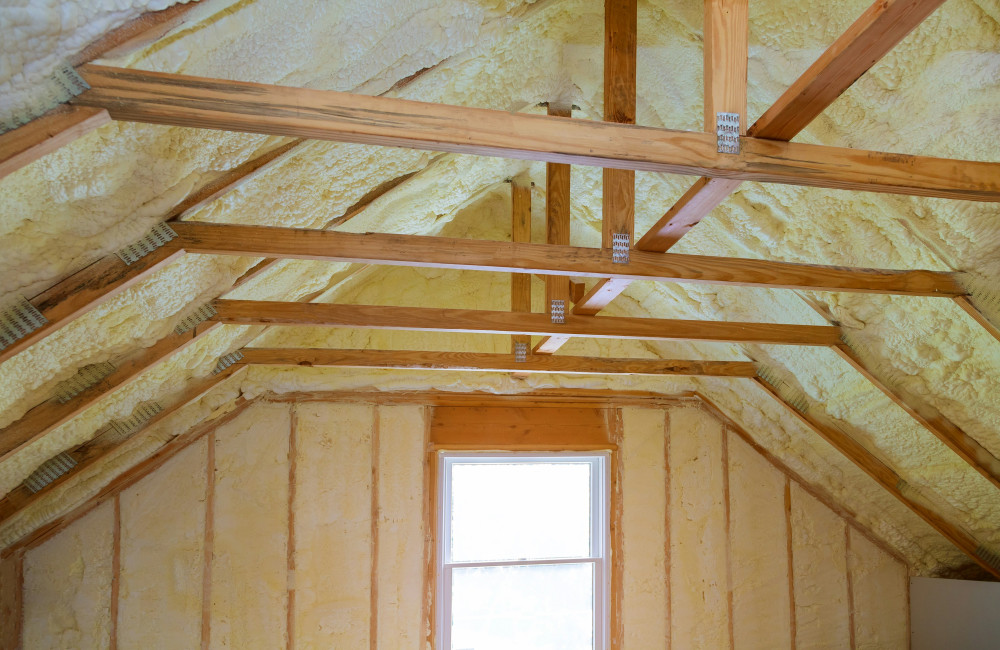
- Blown bead or foam insulation – often used for cavity wall retrofits.
- Rigid boards (PIR or EPS) – common in newer builds and external wall insulation systems.
- Natural or recycled materials (cellulose, sheep’s wool) – increasingly popular for eco-friendly renovations.
Each material behaves differently. Mineral wool, for example, can lose effectiveness if it gets damp, while foam insulation is more resistant to moisture but harder to repair. Knowing what’s in your walls helps you spot potential issues early.
Keep Moisture Under Control
Moisture is insulation’s biggest enemy. When insulation becomes wet, it loses its ability to trap heat and can lead to mould growth. Ireland’s damp climate makes moisture control especially important.
- Check for leaks around windows, doors, and wall joints. Even small gaps can let rainwater or condensation in.
- Ensure proper ventilation, particularly in kitchens, bathrooms, and utility rooms.
- Keep gutters and downpipes clear, so rainwater is directed away from your walls.
- Inspect external walls for signs of damp patches or algae growth, which may indicate trapped moisture.
If you notice musty smells, dark stains, or peeling paint, it’s worth having a professional carry out a moisture assessment to see if your insulation has been affected.
Avoid Damage During Renovations
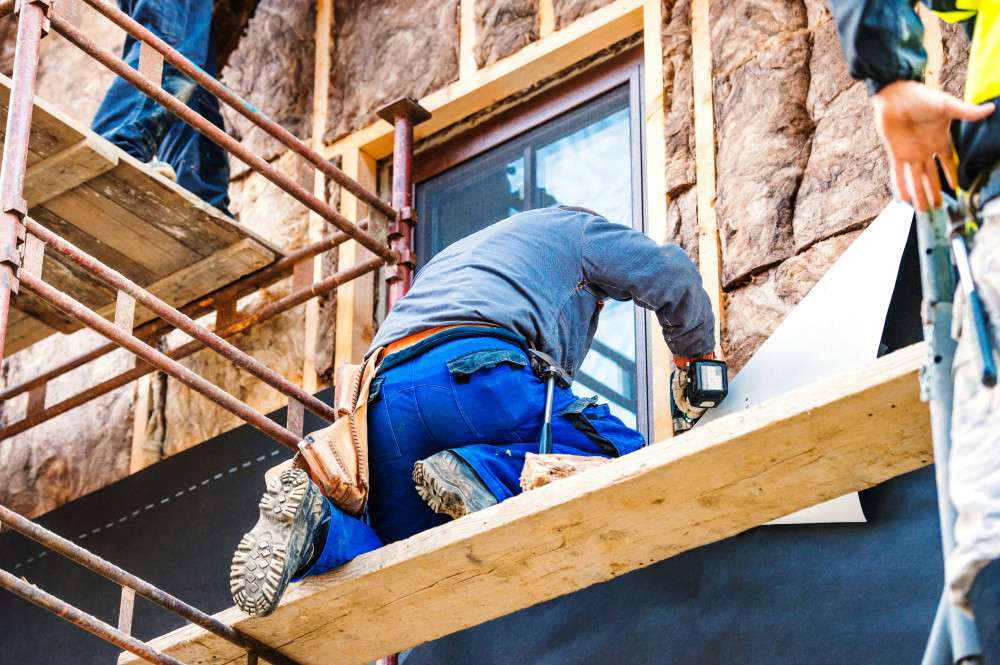
Many insulation problems arise during home improvements. Drilling, rewiring, or replacing windows can easily damage vapour barriers or insulation layers.
- Use appropriate fixings and tools when working on insulated walls.
- Avoid puncturing vapour barriers unless you can reseal them properly afterwards.
- When replacing windows or adding extensions, consult a qualified contractor to ensure the insulation remains continuous and effective.
A small mistake can lead to long-term issues if cold air or moisture starts to penetrate the wall structure.
Læs også:

Inspect the Exterior Regularly
Your home’s exterior is the first line of defence against Ireland’s wind and rain. Cracks, loose render, or damaged pointing can allow water to seep in and compromise the insulation.
- Inspect your exterior walls at least once a year, ideally after winter.
- Repair cracks and joints promptly to prevent water ingress.
- If you have rendered or painted walls, look out for flaking or bubbling, which can signal trapped moisture.
- For brick or stone walls, check that mortar joints are intact and repoint if necessary.
A well-maintained exterior not only protects your insulation but also preserves the overall structure of your home.
Consider Upgrading When Renovating
Even if your insulation is still performing, it may be worth upgrading when you’re already carrying out renovation work. Modern materials often offer better thermal performance and durability than older ones.
For example, if you have an older cavity wall system, you can have it topped up with modern bead insulation to fill any gaps or settlement. This is a relatively simple and cost-effective way to improve comfort and energy efficiency.
Always seek advice from a registered energy assessor or insulation specialist to determine whether upgrading is worthwhile and how to do it safely without creating moisture problems.
Think Holistically About Energy Efficiency
Insulation works best as part of a complete energy system. Poorly sealed windows, inadequate ventilation, or uninsulated roofs can undermine even the best wall insulation.
Take a whole-house approach:
- Maintain balanced ventilation to prevent condensation.
- Combine insulation with energy-efficient windows and doors.
- Plan energy upgrades as part of a long-term home improvement strategy.
When all elements work together, your insulation will last longer, and your home will stay warmer, drier, and more efficient.
A Smart Investment for the Future
Caring for your wall insulation doesn’t require major effort, but it can make a big difference over time. Regular inspections, prompt repairs, and good ventilation are key to preserving its performance for many years.
It’s not just about saving energy – it’s about protecting your home from damp and mould, improving comfort, and ensuring a healthy living environment all year round.
Læs også: