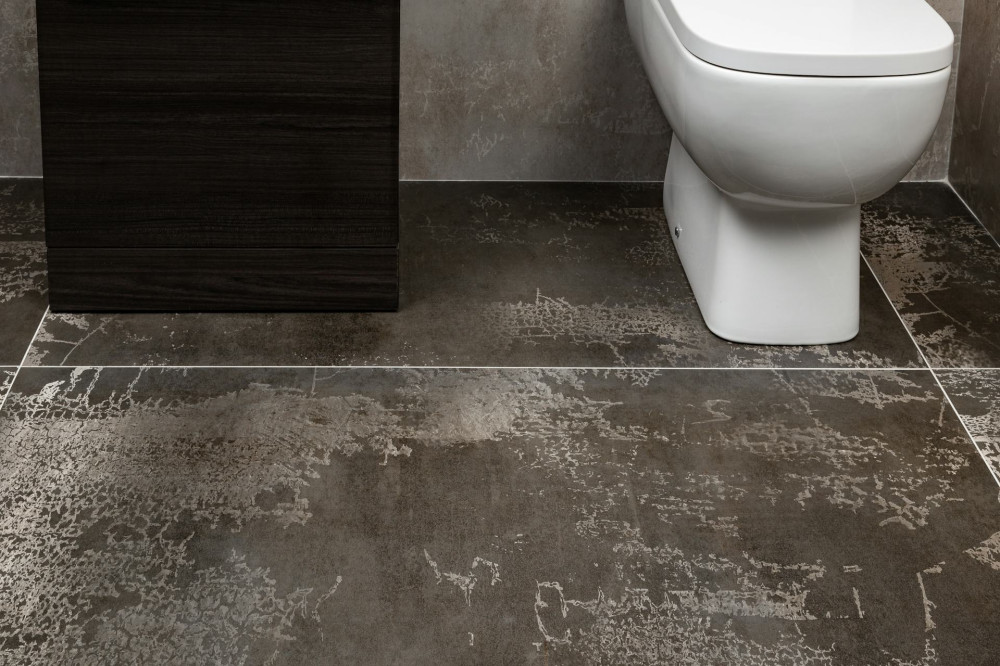
The right bathroom floor for efficient underfloor heating

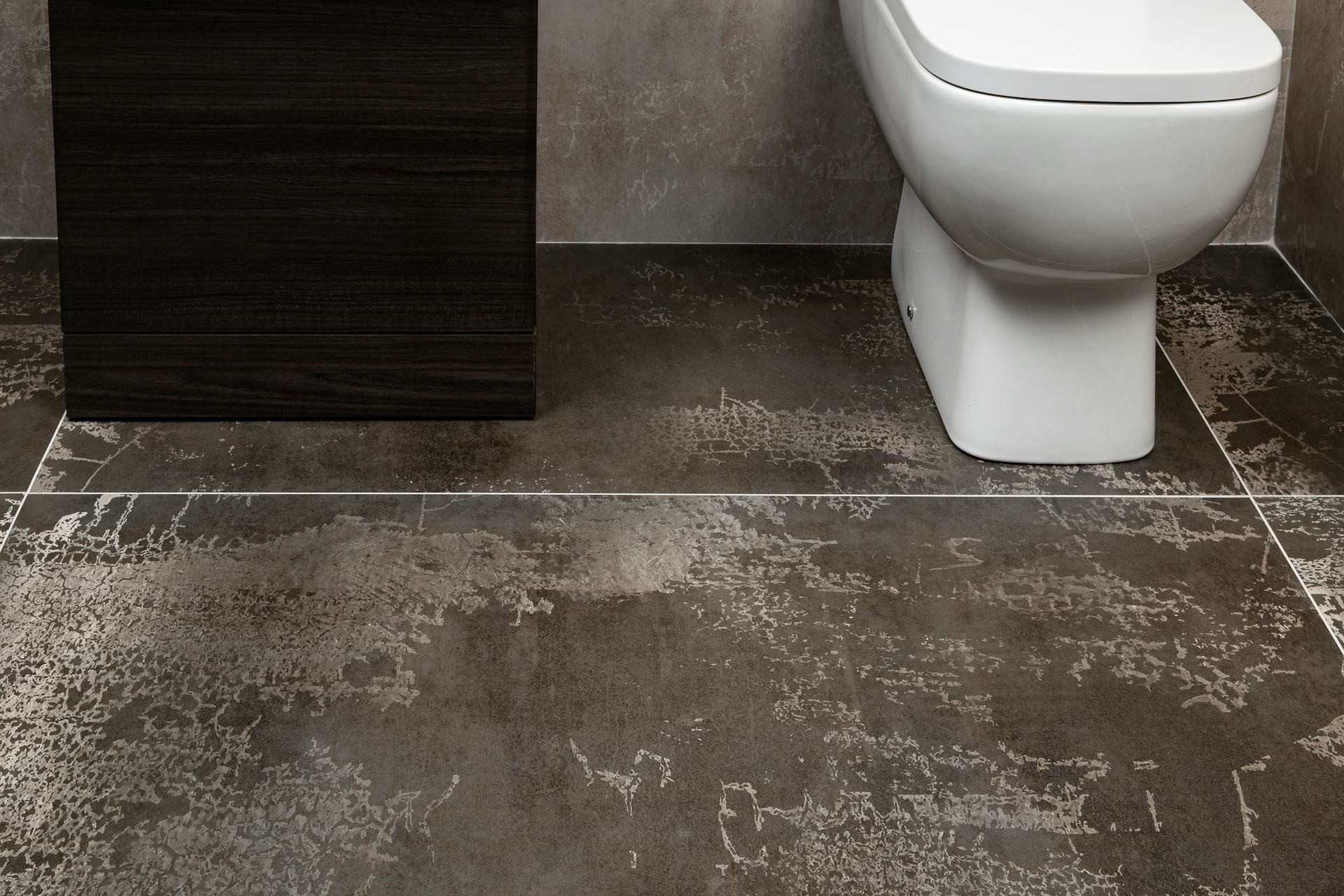
The right bathroom floor for efficient underfloor heating
Once you’ve experienced the comfort of a warm bathroom floor, it’s hard to go back. Underfloor heating provides gentle, even warmth, helps reduce moisture, and creates a cosy indoor climate. But to get the most out of your heating system, the choice of flooring is crucial. The material, thickness, and structure of the floor all affect how efficiently heat is transferred – and how long the floor will last.
Here’s a guide to choosing the best bathroom floor for efficient underfloor heating in an Irish home.
Understanding how floor and heat work together
Underfloor heating works best when heat can move quickly and evenly through the floor surface. That’s why materials with good thermal conductivity are key. At the same time, the floor must withstand moisture, temperature changes, and daily wear.
Choosing the wrong material can mean wasted energy as the heat struggles to pass through – or damage over time due to expansion, contraction, or damp. The goal is to find the right balance between performance, appearance, and durability.
Tiles – the classic and most efficient choice
Ceramic and porcelain tiles remain the most popular choice for bathrooms with underfloor heating, and for good reason. They conduct heat quickly and evenly, ensuring the room warms up efficiently without hot or cold spots.
Tiles come in countless sizes, colours, and finishes, allowing you to create anything from a sleek modern spa to a traditional Irish cottage look. They’re also durable, easy to clean, and highly resistant to moisture.
For best results, choose tiles with low porosity, as they absorb less water and are more resistant to staining and damage over time.
Natural stone – beautiful but requires care
Natural stone such as marble, slate, or granite adds a luxurious and timeless feel. These materials conduct heat almost as well as ceramic tiles but need more maintenance.
Stone is a natural material that varies in texture and colour, and it must be properly sealed to resist moisture and stains. Because stone can expand slightly with temperature changes, it’s important that the subfloor and grout are flexible enough to accommodate movement.
If you’re renovating a period home or want a natural look that complements Ireland’s earthy tones, stone can be a stunning choice – just be prepared for a bit of upkeep.
Vinyl and microcement – modern alternatives
If you prefer a softer or more seamless look, vinyl or microcement can be excellent alternatives.
Vinyl flooring for wet rooms has improved dramatically in recent years. It’s flexible, comfortable underfoot, and compatible with low-temperature underfloor heating systems. Make sure to choose a type certified for wet areas and suitable for the heat output of your system.
Microcement is a thin, cement-based coating that can be applied directly over existing tiles. It creates a smooth, modern surface and conducts heat efficiently. However, it must be sealed properly to prevent moisture damage.
Both options can work well in contemporary Irish homes, especially where you want a minimalist or continuous floor surface.
Avoid materials that trap heat
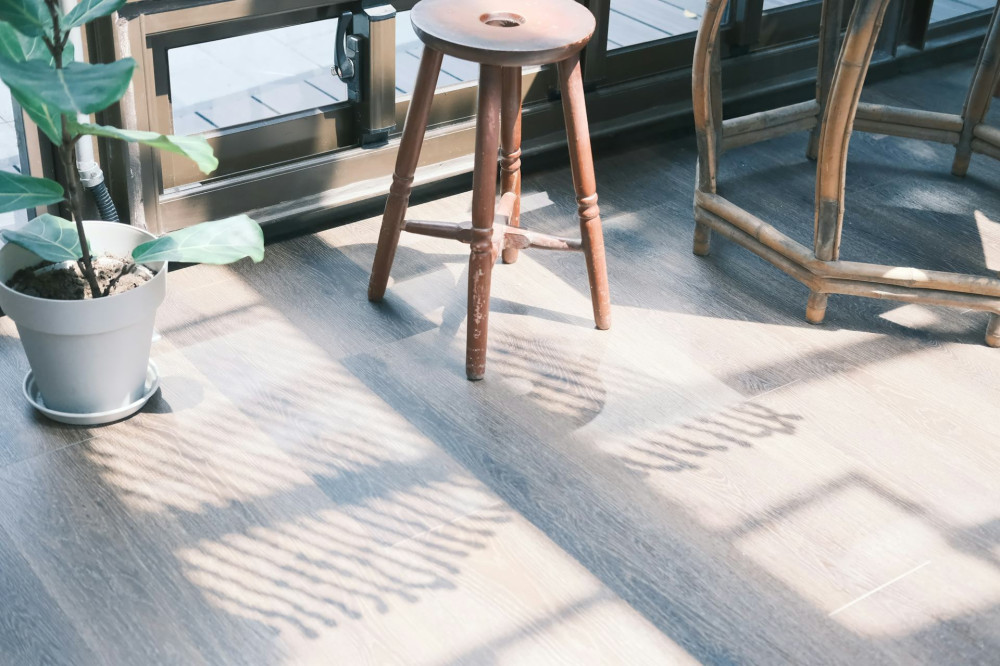
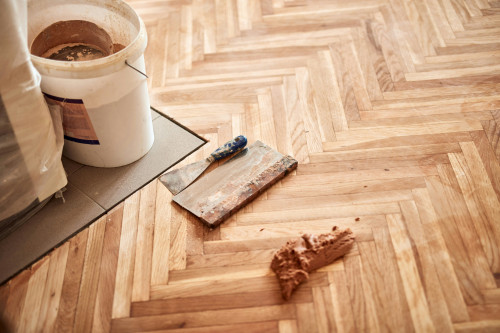
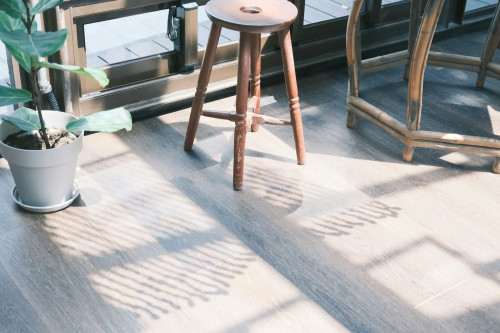
Wood and laminate are rarely good choices for bathrooms with underfloor heating. They act as insulators, reducing heat transfer, and they don’t handle moisture well. Even moisture-resistant versions can warp or deteriorate over time in a humid environment.
If you love the look of timber, consider wood-effect porcelain tiles. They mimic the warmth and texture of real wood while offering the durability and heat efficiency of ceramic.
Læs også:

Proper installation is key
Even the best flooring material won’t perform well if the installation isn’t done correctly. A bathroom floor with underfloor heating should include:
- Good insulation beneath the heating system to prevent heat loss downward.
- A waterproof membrane to protect the structure from moisture.
- Even spacing of heating cables or pipes to avoid cold patches.
- Accurate temperature control to prevent overheating and protect the floor material.
Always use a qualified installer familiar with Irish building regulations and wet-room standards. Mistakes in waterproofing or heating setup can be costly to fix later.
A floor that lasts – and warms efficiently
When choosing your bathroom floor, think beyond appearance. The right material can make your underfloor heating more efficient, reduce energy use, and extend the life of your floor.
Tiles and stone remain the most reliable options, but modern materials like microcement and vinyl can also perform well when installed correctly.
With the right combination of materials, design, and professional installation, you’ll enjoy a bathroom floor that feels warm, looks beautiful, and works efficiently – year after year.
Læs også: