How to Ensure Tight Joints in the Roofing Underlay

How to Ensure Tight Joints in the Roofing Underlay
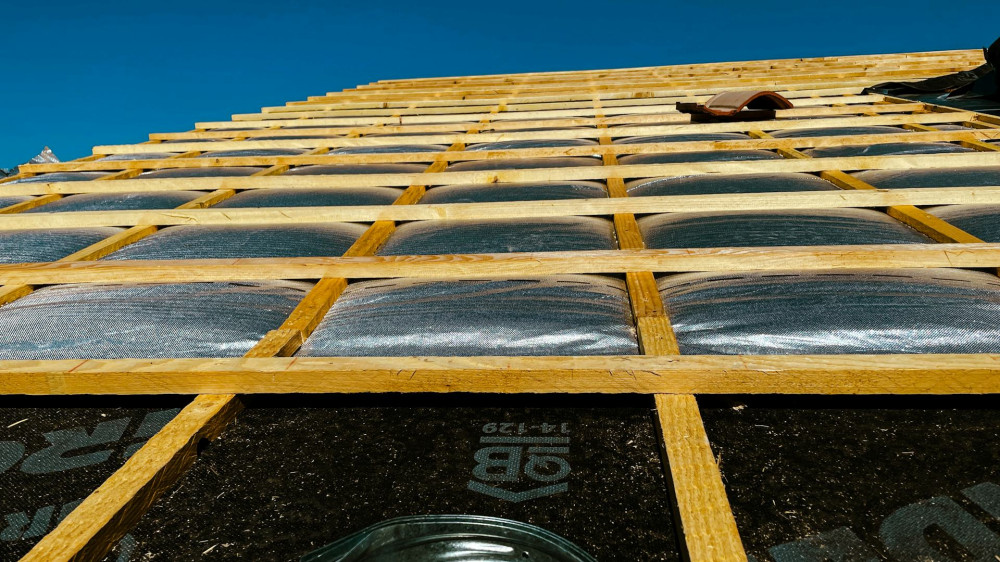
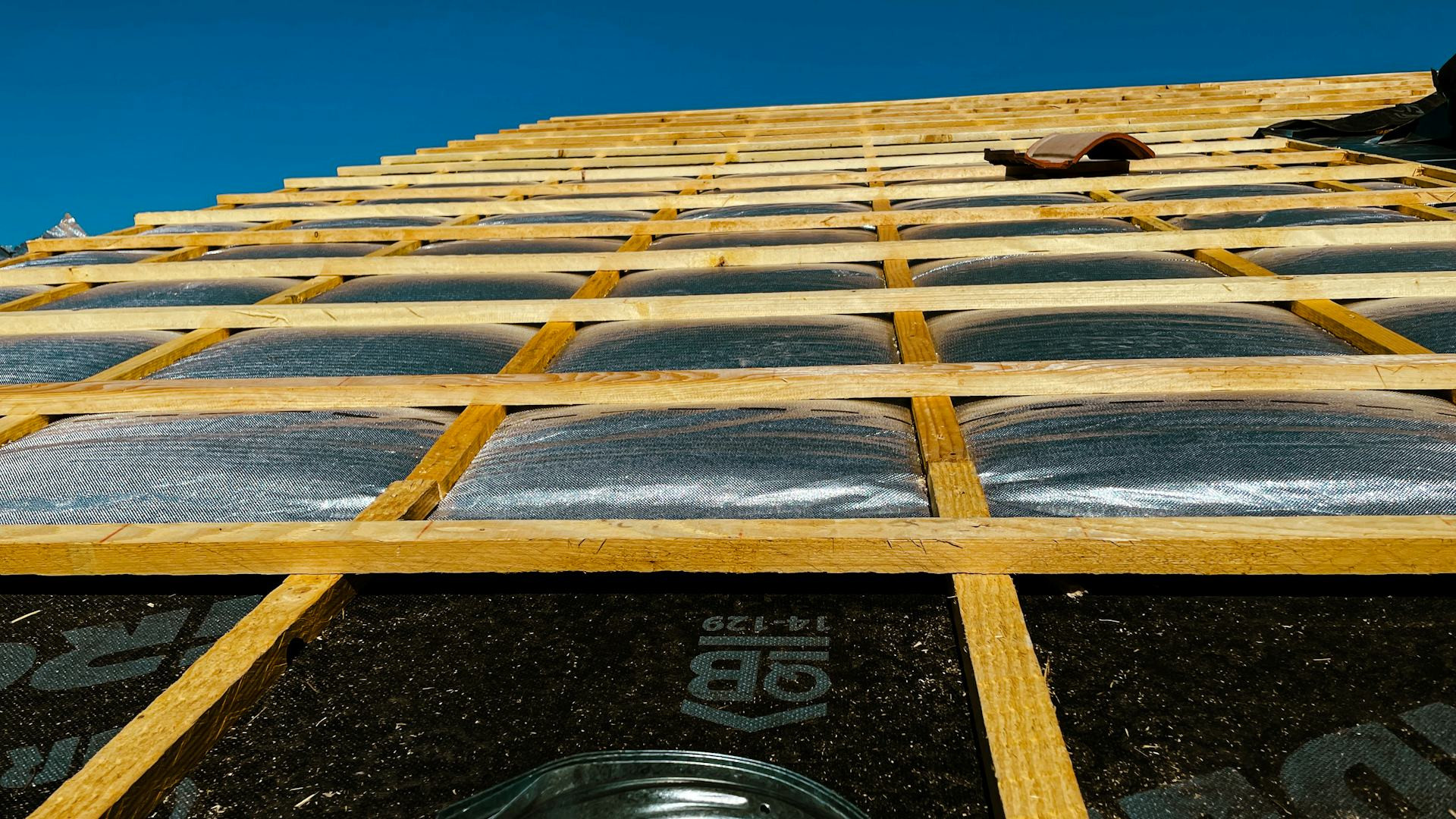
A watertight roofing underlay is one of the most important elements in creating a durable and weatherproof roof. The underlay acts as the building’s final line of defence against rain, wind-driven moisture, and condensation that can penetrate beneath the roof covering. Even the best materials can fail if the joints are not properly sealed. This guide explains how to ensure tight joints in the roofing underlay – both during installation and through regular maintenance – with a focus on Irish building conditions.
Understanding the Role of the Roofing Underlay
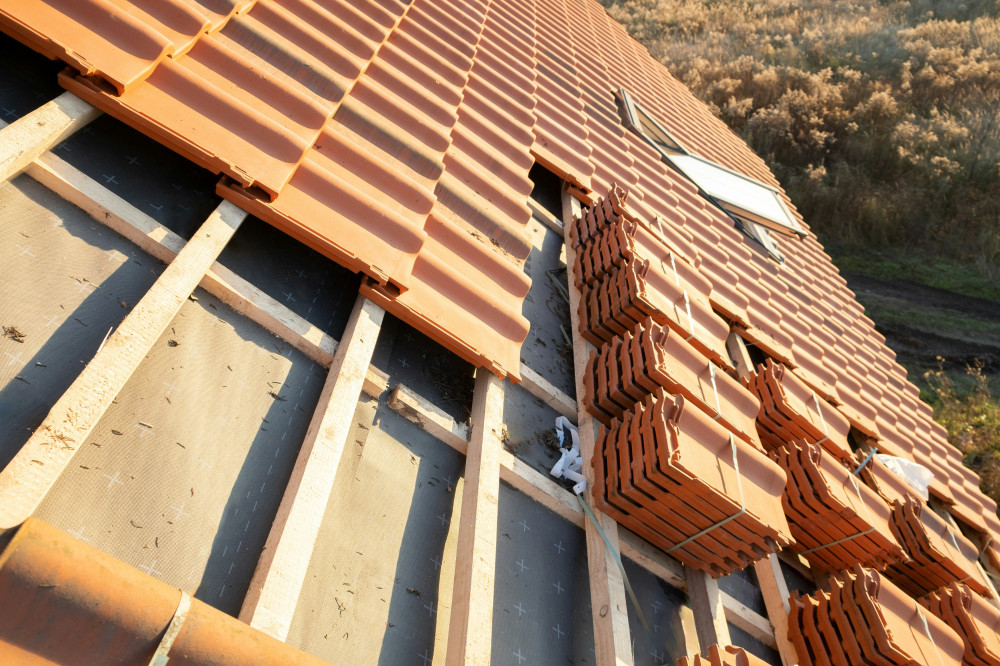
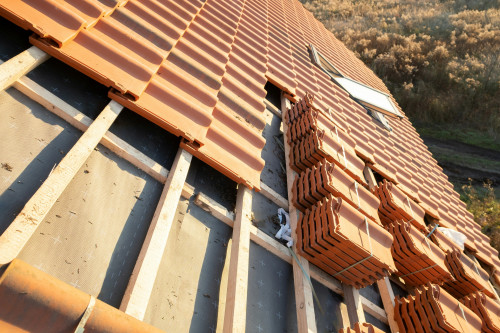
The underlay sits beneath slates, tiles, or other roof coverings and protects the roof structure from moisture. It channels any water that gets past the outer layer down to the gutter. For this reason, every joint, overlap, and penetration must be completely sealed – otherwise, water can find its way into the insulation or timber structure.
There are two main types of roofing underlay used in Ireland:
- Breathable (vapour-permeable) underlays, which allow moisture from inside the building to escape while keeping rain out. These are common in insulated pitched roofs.
- Non-breathable underlays, which are used in cold roof spaces where ventilation occurs above the underlay.
Regardless of the type, the joints are always the most vulnerable points and therefore require special attention.
Læs også:

Choosing the Right Materials
A tight joint starts with the right materials. Always use tapes, adhesives, and sealing products that are approved for the specific underlay system you are using. Manufacturers design their products to work together, ensuring the best and most durable seal.
- Tape should be UV- and age-resistant so it maintains adhesion over time.
- Sealant or adhesive is often used around penetrations, valleys, and wall junctions.
- Clamps or battens can provide additional mechanical sealing, especially at the eaves and ridge.
Avoid mixing products from different manufacturers, as this can lead to poor adhesion and reduced lifespan.
Proper Installation of Joints
When installing the underlay, precision is key. Small mistakes can lead to major problems once the roof is closed.
- Clean and dry surfaces: Tapes and adhesives only bond properly to clean, dry surfaces. Remove dust, sawdust, and moisture before joining.
- Correct overlap: Follow the manufacturer’s instructions for overlap – typically 100–150 mm. Too little overlap increases the risk of leaks.
- Press the joint firmly: Use a roller or your hand to press the tape down firmly, ensuring no air pockets remain.
- Avoid folds and tension: Wrinkled or stretched underlay can create stress points that open over time. Lay the membrane flat and even.
- Seal around penetrations: For pipes, vents, and roof windows, cut the underlay precisely and seal with collars or specialist tapes.
These details may seem minor, but they determine whether your roof remains watertight for decades.
Inspection and Maintenance
Even a well-installed underlay should be inspected periodically – especially after storms or heavy rain. Look for signs of moisture, staining, or dark patches in the attic, which may indicate leaks.
If you find a loose joint, it can often be repaired with new tape or sealant, provided the area is clean and dry. For larger issues, contact a qualified roofer who can assess whether part of the underlay needs replacement.
Common Mistakes to Avoid
Many leaks in roofing underlays are caused by the same avoidable errors:
- Installing joints in wet or cold conditions.
- Using the wrong tape or adhesive.
- Insufficient overlap between sheets.
- Poor sealing around penetrations.
- Failing to inspect after installation.
Avoiding these mistakes can save you significant time and money on future repairs.
A Watertight Underlay Protects Your Home
A roofing underlay with tight joints not only keeps out water but also prevents mould, rot, and heat loss. It’s an investment in the health and longevity of your home. With the right materials, careful workmanship, and regular checks, you can ensure your roof stays watertight – even in Ireland’s unpredictable weather.
Læs også: