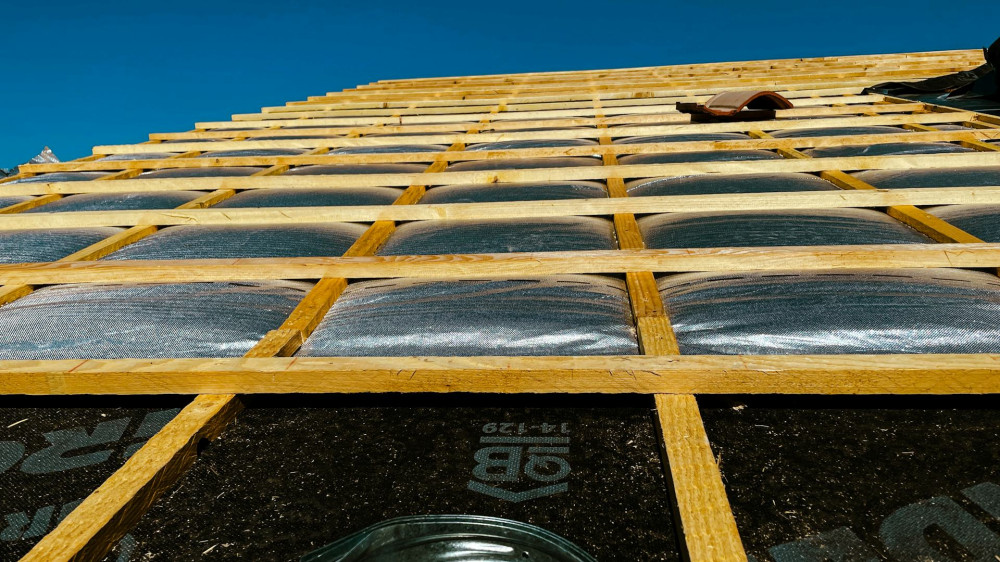
The development of energy requirements in roof legislation over time

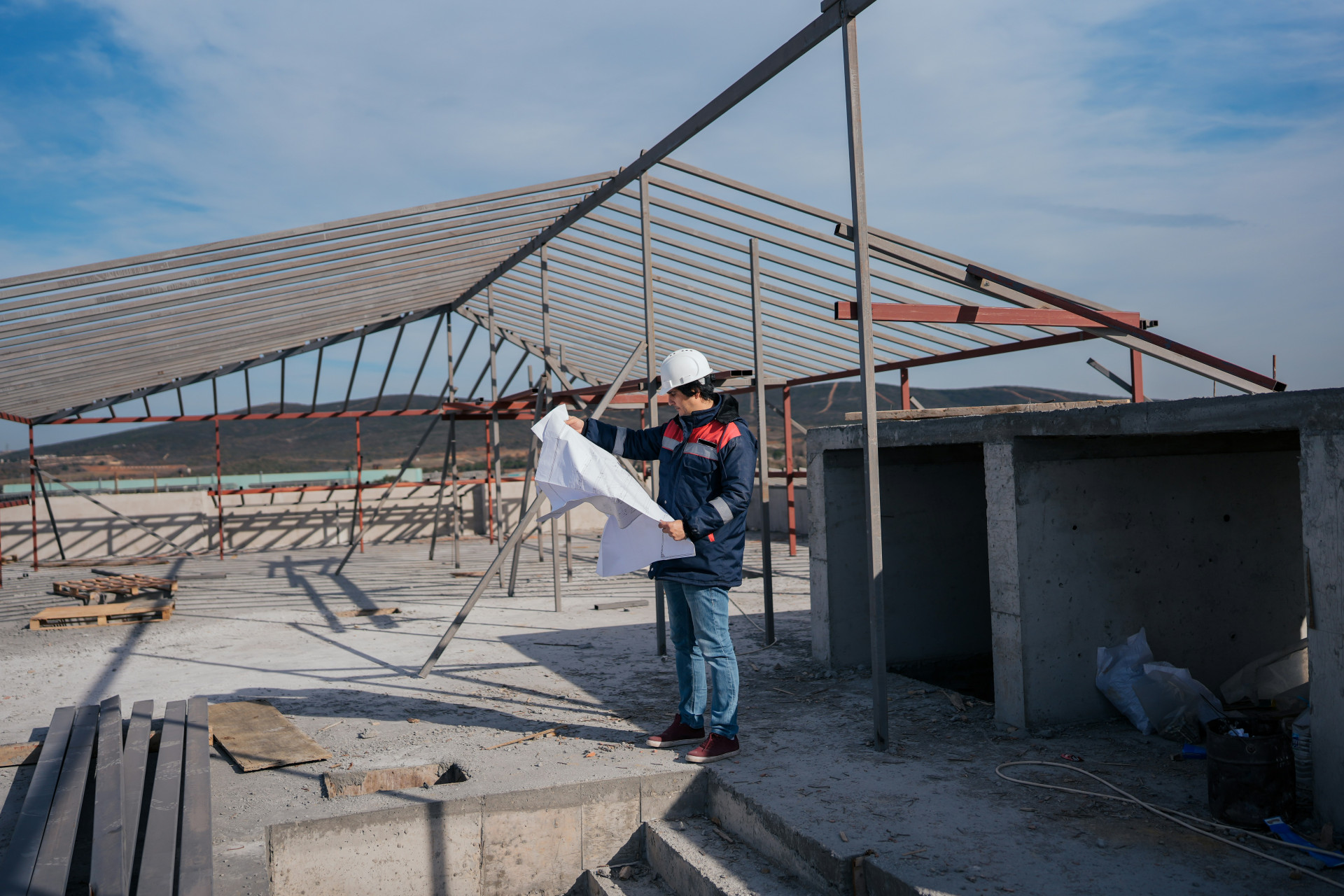
The development of energy requirements in roof legislation over time
Energy performance standards for buildings – and particularly for roofs – have evolved dramatically over the past decades. Where roofs once served mainly to keep out rain and wind, they are now expected to retain heat, generate energy, and contribute to a building’s overall sustainability. The development of energy requirements in roof legislation reflects technological progress, growing environmental awareness, and Ireland’s commitment to reducing carbon emissions in line with European and national climate goals.
From basic shelter to energy efficiency
In the mid-20th century, Irish building regulations placed little emphasis on energy performance. Roofs were designed primarily for durability and weather resistance, with minimal insulation. Energy was cheap, and the idea of conserving heat was not yet a major concern.
This changed in the 1970s, when the oil crises highlighted the vulnerability of energy supply and the need for efficiency. Ireland began to introduce its first energy-related building standards, influenced by developments in the UK and the European Community. Roof insulation became a key focus, and minimum insulation thicknesses were gradually introduced to reduce heat loss.
1980s and 1990s: Setting measurable standards
By the 1980s, energy efficiency had become a formal part of Irish building regulations. The introduction of specific U-value limits – measuring how much heat passes through a building element – marked a shift toward quantifiable performance. For roofs, this meant thicker insulation layers and better detailing to prevent thermal bridging.
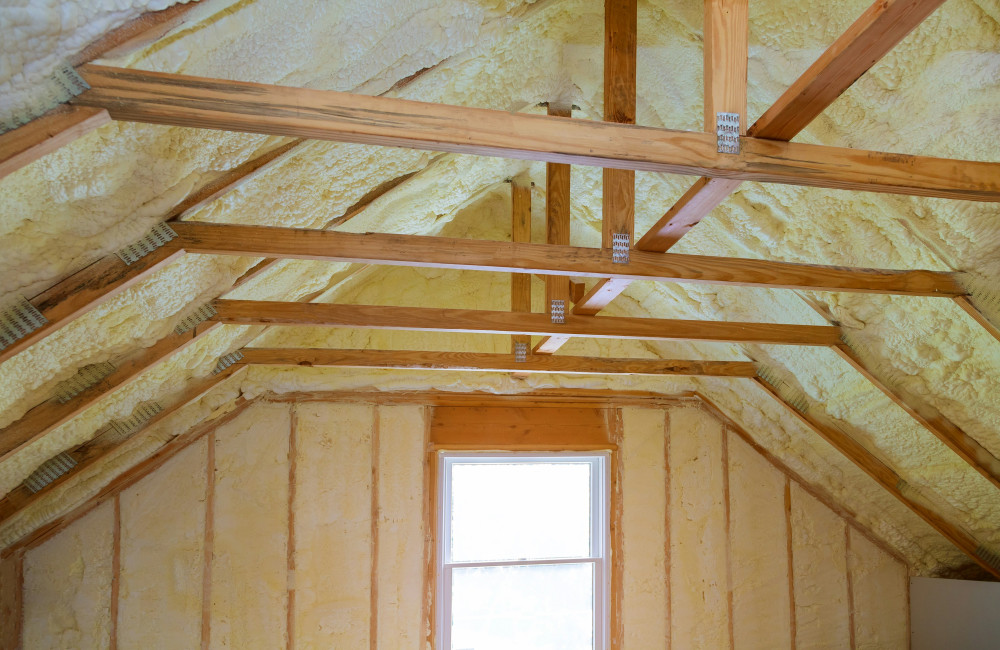
New materials also entered the market. Improved mineral wool, rigid foam boards, and reflective membranes allowed builders to meet stricter standards without compromising roof design. The focus expanded from insulation alone to include ventilation and moisture control, ensuring that energy efficiency did not come at the cost of indoor air quality or structural integrity.
2000s: The rise of holistic energy performance
The early 2000s brought a more integrated approach to building energy use. The Building Regulations Part L (Conservation of Fuel and Energy) introduced the concept of overall energy performance rather than isolated component standards. Roofs were now assessed as part of the building’s total energy balance, alongside walls, windows, and heating systems.
This period also saw the introduction of the Building Energy Rating (BER) system, which made energy performance visible to homeowners and buyers. Roof design became a strategic element in achieving better ratings, with attention to airtightness, insulation continuity, and the potential for renewable energy integration.
Læs også:

2010s: Nearly zero-energy buildings and renewable integration
Driven by EU directives, Ireland committed to ensuring that all new buildings would be nearly zero-energy buildings (NZEB) by 2021. This led to significant updates to Part L in 2017 and 2019, tightening U-value requirements and mandating renewable energy contributions.
For roofs, this meant not only higher insulation standards but also a growing expectation that they would host solar photovoltaic (PV) panels or solar thermal systems. Airtightness testing became mandatory, and construction quality was increasingly scrutinised. The roof was no longer a passive element but an active contributor to the building’s energy system.
2020s: Climate neutrality and circular design
Today, energy requirements are evolving beyond efficiency to encompass the full environmental impact of construction. Ireland’s Climate Action Plan and the National Retrofit Plan emphasise both operational and embodied carbon. Roof legislation is beginning to reflect this shift, encouraging the use of low-carbon materials, recycled insulation, and designs that facilitate future reuse.
Green roofs, solar roofs, and integrated rainwater systems are becoming more common, supported by local planning incentives and sustainability certifications such as BREEAM and LEED. The focus is moving toward life-cycle performance, where a roof’s environmental footprint is measured from production to end-of-life.
The future: Smart roofs and energy-positive buildings
Looking ahead, roofs are set to play an even more dynamic role in Ireland’s built environment. Smart roofing systems equipped with sensors, adaptive insulation, and integrated energy generation are emerging as part of the next generation of sustainable buildings. Future regulations are likely to reward buildings that produce more energy than they consume, turning roofs into miniature power stations.
As Ireland works toward its 2050 climate neutrality target, roof legislation will continue to evolve – balancing innovation, affordability, and environmental responsibility.
A reflection of technological and societal change
The development of energy requirements in roof legislation tells a broader story about Ireland’s journey toward sustainability. Each regulatory update mirrors shifts in technology, policy, and public awareness. From the first insulation standards of the 1970s to today’s focus on carbon neutrality, the roof has transformed from a simple protective layer into a key component of the nation’s energy transition. This evolution is far from over – and the roofs of the future will be as much about energy creation as they are about shelter.
Læs også: