Sustainable Development in Clay Roof Tile Production

Sustainable Development in Clay Roof Tile Production
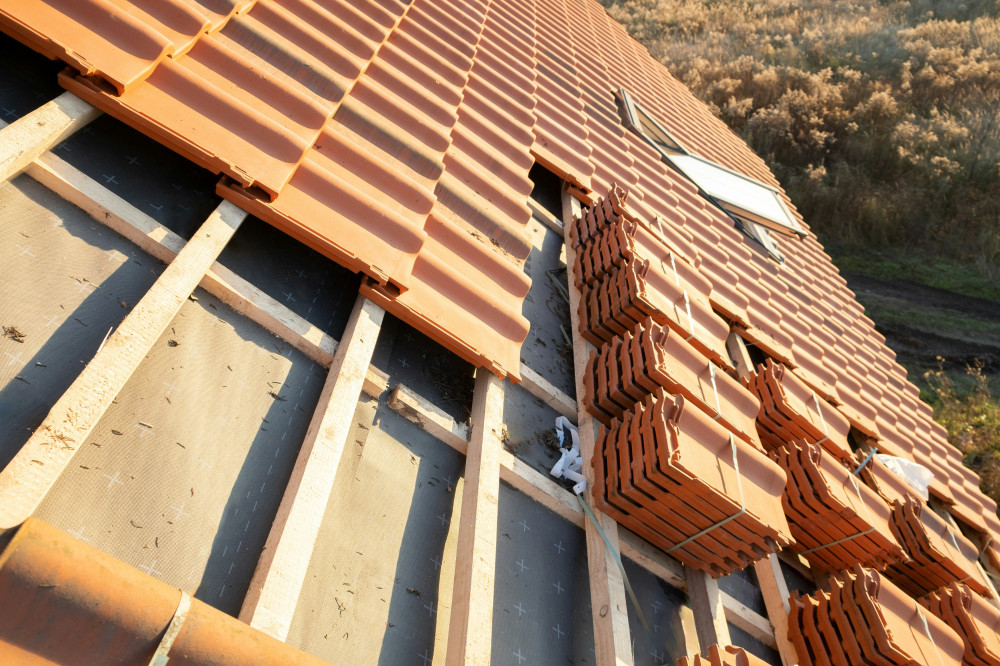
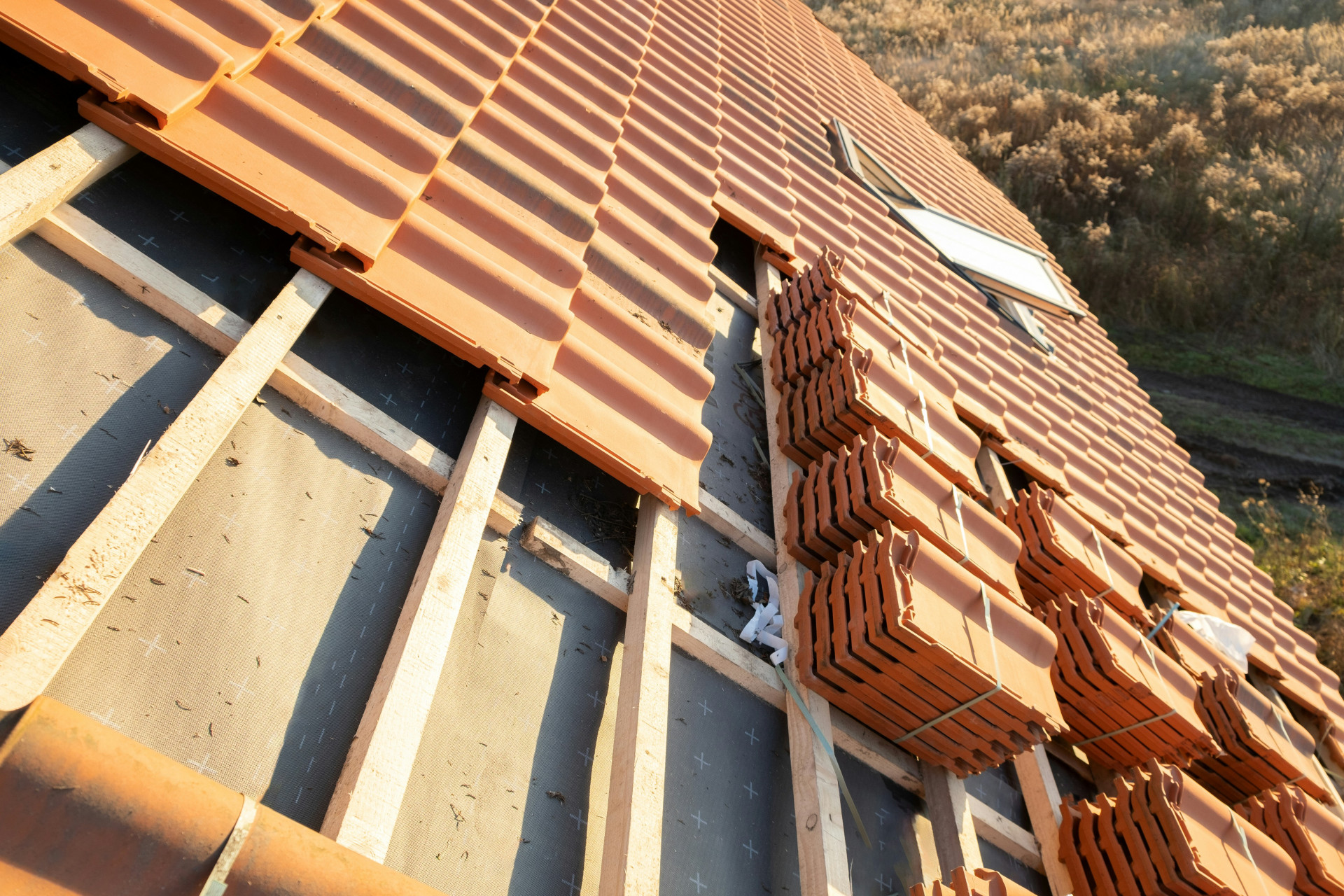
Clay roof tiles have long been part of Ireland’s architectural identity. From the terracotta roofs of Georgian townhouses to the rustic charm of rural cottages, clay tiles are valued for their durability, natural beauty, and timeless appeal. As the Irish construction sector moves toward greener practices, the production of clay roof tiles is also undergoing a transformation. New technologies and responsible sourcing are helping to preserve the traditional look while significantly reducing environmental impact.
From Clay to Roof – Reducing Energy Use
The production of clay roof tiles is energy-intensive, particularly during the firing stage, where tiles are baked at very high temperatures to achieve strength and weather resistance. Historically, this process has relied on fossil fuels, making it a major source of CO₂ emissions.
Today, Irish and European manufacturers are investing in cleaner energy solutions. Modern kilns are designed to maximise heat efficiency, and many factories are transitioning to renewable energy sources such as biogas, green electricity, or hydrogen. Waste heat from the firing process is increasingly reused for drying new tiles, creating a circular energy system that minimises waste and lowers overall consumption.
Læs også:

Responsible Sourcing of Raw Materials
Clay is a natural and abundant material, but its extraction must be managed carefully to protect local ecosystems. In Ireland, where environmental stewardship is a growing priority, producers are implementing restoration plans for clay quarries. Once extraction ends, these sites are often transformed into wetlands, ponds, or biodiversity habitats, contributing positively to the local landscape.
Manufacturers are also experimenting with incorporating recycled materials into their clay mixtures. Crushed old tiles, ceramic waste, or industrial by-products can replace part of the virgin clay, reducing the need for new raw materials and supporting a more circular production model.
Reuse and Longevity
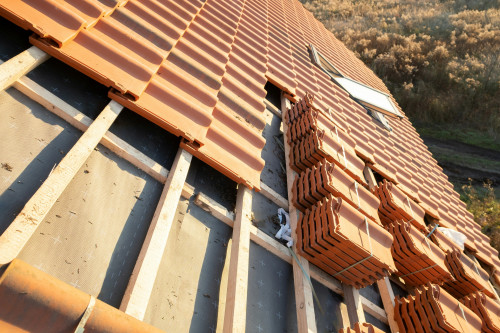
One of the greatest environmental advantages of clay roof tiles is their exceptional lifespan. A well-installed clay roof can last 70 to 100 years, and many tiles can be reused when a roof is replaced. This durability makes clay one of the most sustainable roofing materials available.
Across Ireland and Europe, partnerships between demolition companies and tile producers are emerging to recover, clean, and resell reclaimed tiles. This not only conserves resources and energy but also provides builders and homeowners with materials that carry character and history—an aesthetic highly valued in heritage restoration and contemporary design alike.
Measuring and Documenting Sustainability
Sustainability today is as much about transparency as it is about innovation. Many tile manufacturers now publish Environmental Product Declarations (EPDs) that detail the full environmental footprint of their products—from raw material extraction to finished tile. These documents help architects and builders make informed choices that align with green building standards such as LEED, BREEAM, or the Irish Green Building Council’s Home Performance Index.
Research and development are also driving progress toward lower-temperature firing processes and carbon-neutral production methods. With continued investment, the clay roof tile industry could move close to net-zero emissions in the coming decades.
Tradition Meets Responsibility
While sustainability is the driving force behind these changes, aesthetics remain central to the appeal of clay roof tiles. Their natural colours, textures, and ability to age gracefully make them a favourite among Irish architects seeking both beauty and longevity. Because clay tiles last for generations, their environmental impact is spread over many decades—a key factor in sustainable construction.
Sustainable development in clay roof tile production is not about reinventing a centuries-old craft but about refining it with modern technology and environmental responsibility. The result is a roofing material that continues to protect and beautify Irish homes—while respecting the planet for future generations.
Læs også: